Faith you can encounter

Relics and sacred objects

A fragment, a manuscript, a treasured object: each can open a door into Christian history. Explore 106 files through the people who preserved these objects, their meaning for faith, and the evidence for their origins and identification.

106 records

Each file separates its evidence verdict from Church status and highlights details still being verified.

Original institutional-custody graphic summarizing official Catholic records for the Santo Amaro university parish and the limits of the public item-level evidence. Context only: this original editorial graphic does not depict or authenticate the relic and is not evidence for historical, medical, or supernatural claims.

Original Corpus Files graphic

CAR · CUSTODY TIMELINE 01

Diocesan custody

Custody is documented. Material identity remains open.

São Paulo · Brazil

Context only · not a photograph · not evidence

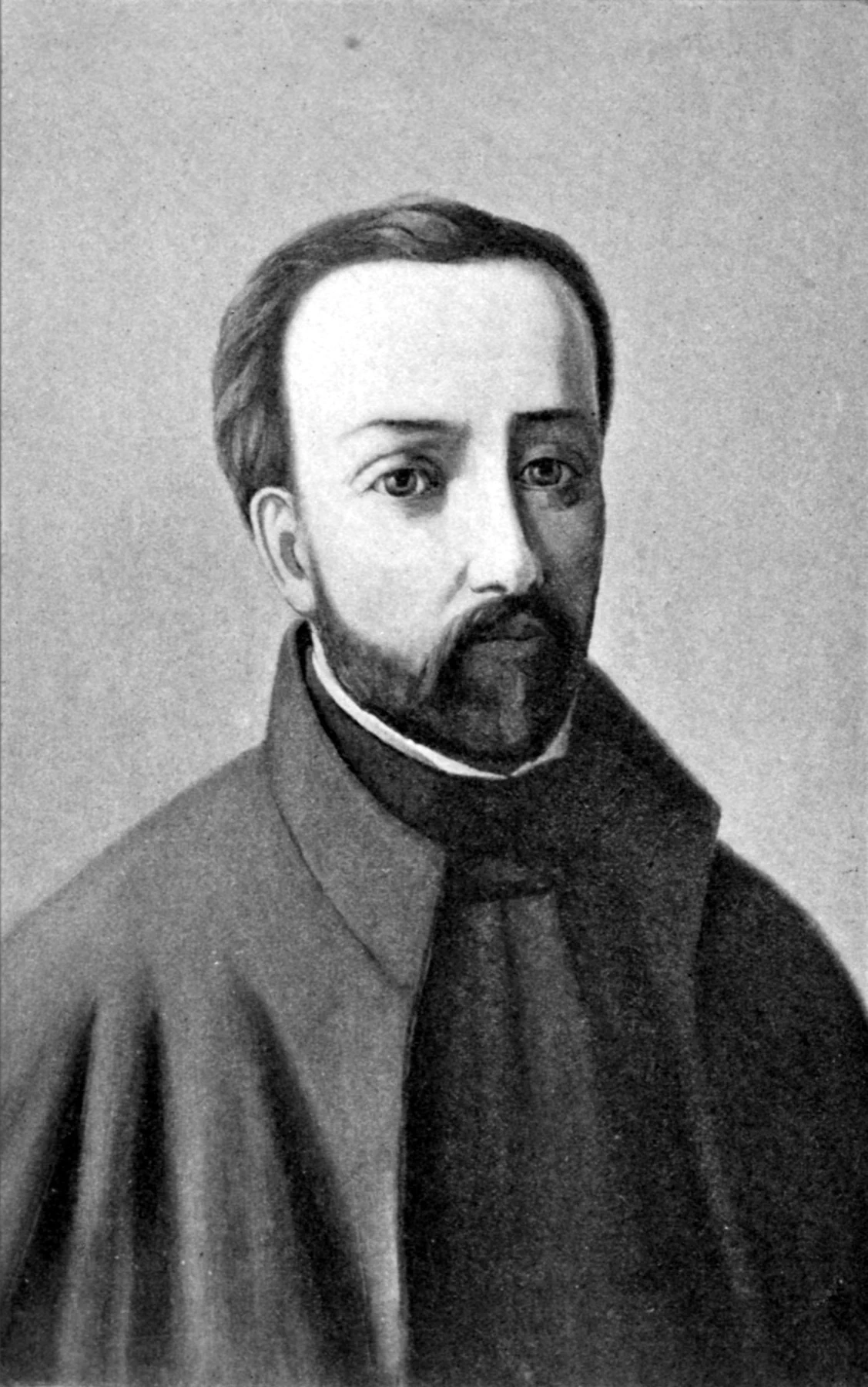
Relic attributed to St. Carlo Acutis in São Paulo

A university community in São Paulo remembers Carlo Acutis through prayer, catechesis, and a relic institutionally described as a skin fragment. The local record shows how the devotion developed, while item-level provenance remains to be examined.

Open case file →
Original source-scope graphic summarizing what the Catholic Diocese of Christchurch Archives publicly identifies and what its public record does not establish. Context only: this original editorial graphic is not a photograph of the relic and is not evidence for historical, medical, or supernatural claims.

Original Corpus Files graphic

CHC · SOURCE SCOPE 01

Custodial attribution

The attribution is documented. The wood is not authenticated.

Christchurch · New Zealand

Context only · not a photograph · not evidence

The object called a True Cross relic in the Catholic Diocese of Christchurch Archives

Christchurch’s diocesan archive preserves an object attributed to the True Cross. Its careful description invites a closer look at the Passion, the role of archives, and the gap between a devotional attribution and a demonstrated ancient provenance.

Open case file →

Archival image

Full caption, source, licence, and changes inside the case file

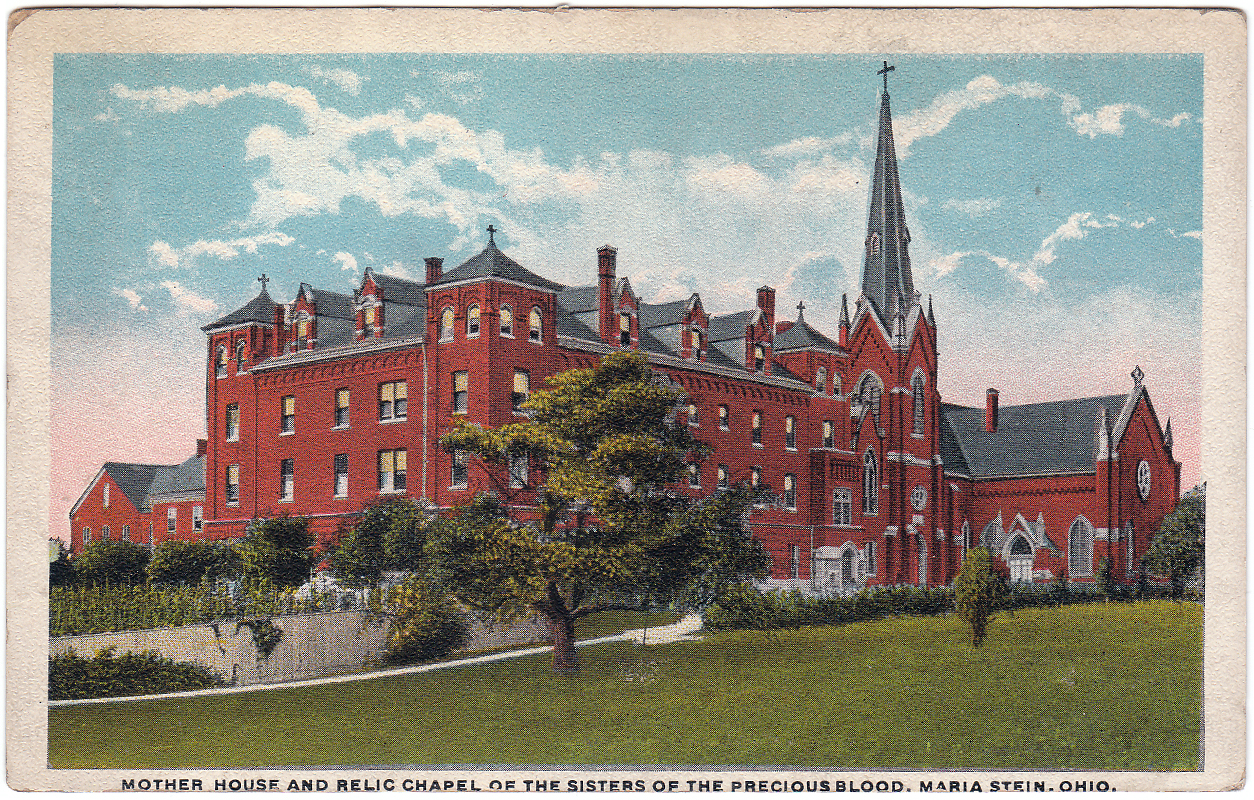
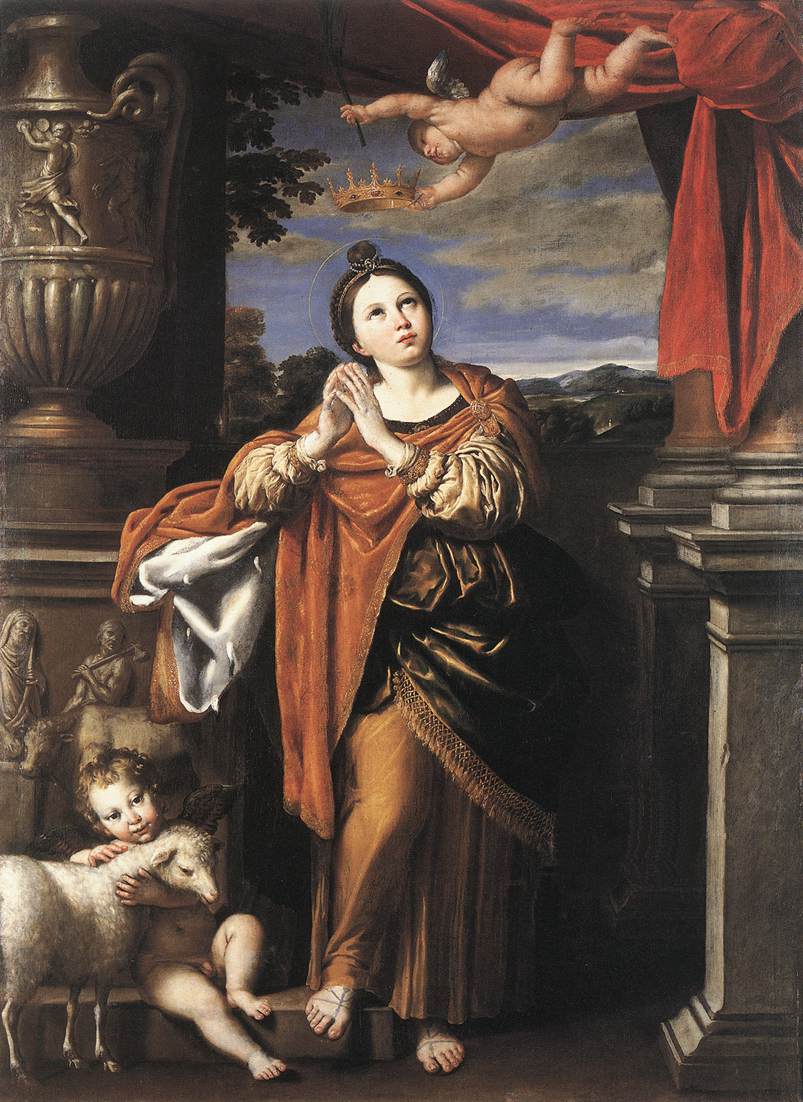
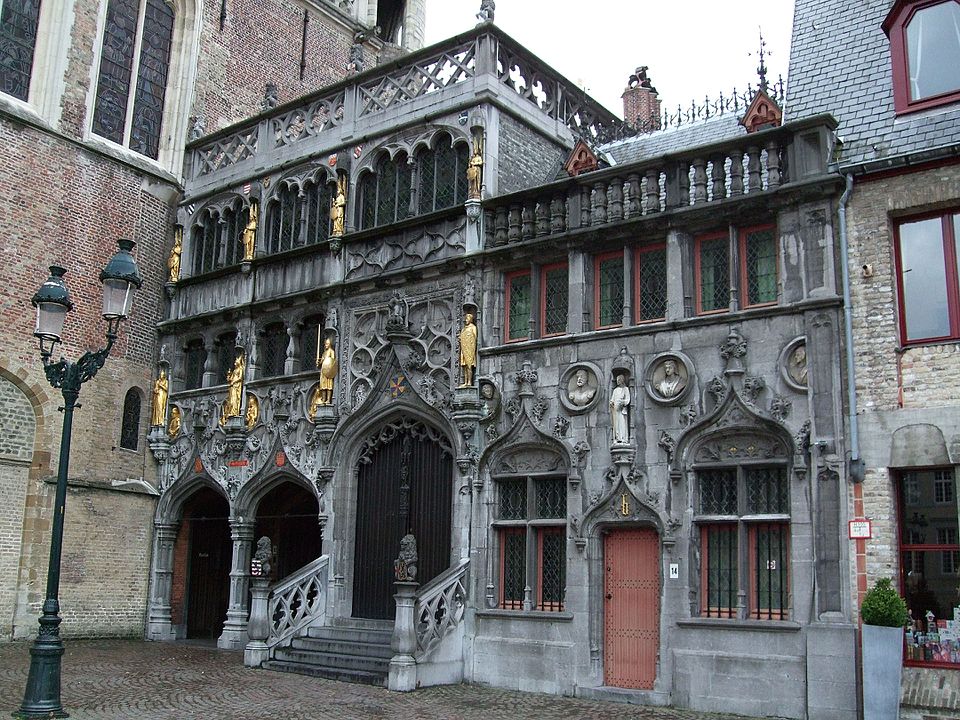
Directory number 902 labeled for Saints Perpetua and Felicitas at Maria Stein Shrine

Perpetua and Felicity emerge from an early martyr account as mothers, prisoners, and companions in faith. Maria Stein’s directory preserves their names under one number, but does not establish what physical relics that entry represents.

Open case file →

Image: Jacques Callot; published by Israël Henriet · The Met Open Access / CC0 1.0

Archival image

Full caption, source, licence, and changes inside the case file

The Incorrupt Heart of Saint Teresa of Ávila

Teresa’s heart belongs to a Carmelite memory centered on prayer and friendship with God. Recent official notices describe recognition and restoration work, but their meaning is narrower than a declaration of miraculous preservation.

Open case file →

Image: Gerard de Lairesse (mentioned on object)—printmaker, after painting by Gerard de Lairesse, and publisher · Rijksmuseum Public Domain / Public Domain Mark 1.0

Archival image

Full caption, source, licence, and changes inside the case file

The Incorrupt Tongue of Saint Anthony of Padua

Why preserve the tongue of a preacher? Padua’s basilica connects Anthony’s speech in life with an extraordinary discovery reported after death. Its reliquaries also help distinguish the tongue, jaw, and vocal apparatus.

Open case file →

Image: Vincenzo Foppa; digital reproduction supplied by the National Gallery of Art, Washington · National Gallery of Art Open Access / CC0 1.0

Archival image

Full caption, source, licence, and changes inside the case file

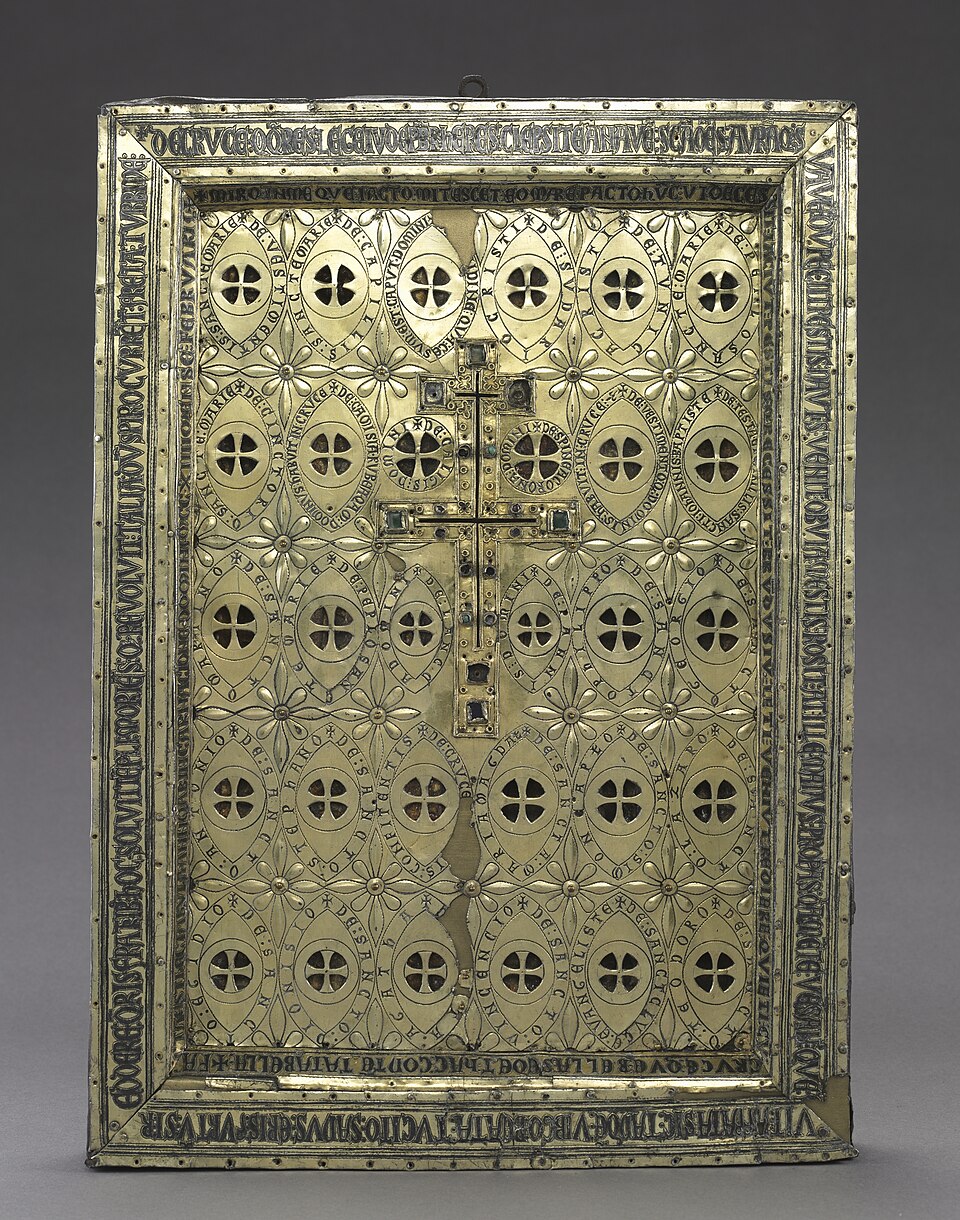
The True Cross Reliquary in Cleveland

A medieval inscription gives this reliquary an unusually vivid story: theft, a storm, restitution, and arrival at Brindisi. The inscription is evidence of that story’s transmission, not automatic proof that the wood came from Calvary.

Open case file →

Image: Maker unknown; cross: Latin Kingdom of Jerusalem; panel: Rhine–Meuse region · Cleveland Museum of Art Open Access / CC0 1.0

Archival image

Full caption, source, licence, and changes inside the case file

Veil fragments attributed to the Virgin Mary at Saint Anthony Chapel, Pittsburgh

Marian textile fragments belong to a Pittsburgh collection built through personal dedication and sustained by parish families. The collection’s certificates and devotional importance do not by themselves identify the fragments as Mary’s clothing.

Open case file →

Image: Ubaldo Gandolfi; digital image by The Metropolitan Museum of Art · The Met Open Access / CC0 1.0

Original editorial diagram summarizing this file’s cited records and the limits of its finding. Context only: this original diagram is a reading aid, not evidence for historical, medical, or supernatural claims, and does not depict or authenticate an artifact.

Original Corpus Files graphic

CAI · IDENTITY SCOPE 01

Read the evidence

A family name supports an identification without settling it.

Tomb · Inscription · Individual identity

Context only · not a photograph · not evidence

The Caiaphas Ossuary: A Name, a Family and a Historical Question

A decorated burial box carries the name Joseph son of Caiaphas. Follow its excavation, read the identification carefully, and discover what archaeology can add to the world of Jesus’s trial.

Open case file →
Original editorial diagram summarizing this file’s cited records and the limits of its finding. Context only: this original diagram is a reading aid, not evidence for historical, medical, or supernatural claims, and does not depict or authenticate an artifact.

Original Corpus Files graphic

SIN · MANUSCRIPT RECORD 01

Read the evidence

A surviving Bible with a visible history of copying and correction.

Manuscript · Text · Transmission

Context only · not a photograph · not evidence

Codex Sinaiticus: The Bible’s Corrections in Plain Sight

One of the earliest Christian Bibles is covered in corrections. Follow the scribes, the disputed journeys of its pages, and what this manuscript reveals about how Scripture reached us.

Open case file →
Original editorial diagram summarizing this file’s cited records and the limits of its finding. Context only: this original diagram is a reading aid, not evidence for historical, medical, or supernatural claims, and does not depict or authenticate an artifact.

Original Corpus Files graphic

DON · DOCUMENT CHECK 01

Read the evidence

A supposed imperial grant fails the test of its historical language.

Claimed author · Textual criticism · Scope

Context only · not a photograph · not evidence

The Donation of Constantine: How a Forgery Lost Its Authority

An emperor supposedly handed Rome and the West to a pope. Examine the document, the contradictions Lorenzo Valla exposed, and why admitting this forgery matters for an honest Catholic history.

Open case file →
Original editorial diagram summarizing this file’s cited records and the limits of its finding. Context only: this original diagram is a reading aid, not evidence for historical, medical, or supernatural claims, and does not depict or authenticate an artifact.

Original Corpus Files graphic

DUR · BUILDING HISTORY 01

Read the evidence

A Christian ritual building preserved in the archaeological record.

Architecture · Baptistery · Interpretation

Context only · not a photograph · not evidence

Dura-Europos: Inside an Early Christian Building

A baptistery, painted biblical scenes and altered rooms preserve an early Christian community’s choices. New research asks whether calling it a “house church” hides what those choices accomplished.

Open case file →
Original editorial diagram summarizing this file’s cited records and the limits of its finding. Context only: this original diagram is a reading aid, not evidence for historical, medical, or supernatural claims, and does not depict or authenticate an artifact.

Original Corpus Files graphic

RNG · CUSTODY SCOPE 01

Read the evidence

A documented Perugian devotion with an unresolved ancient attribution.

Arrival · Veneration · Provenance

Context only · not a photograph · not evidence

Perugia’s Holy Ring: Fourteen Keys and a Question of Meaning

A small stone ring has shaped Perugia’s devotion, art and civic life. Its custodians explain why they honor it while declining to authenticate it as Mary’s wedding ring.

Open case file →
Original editorial diagram summarizing this file’s cited records and the limits of its finding. Context only: this original diagram is a reading aid, not evidence for historical, medical, or supernatural claims, and does not depict or authenticate an artifact.

Original Corpus Files graphic

DSS · FORGERY FINDING 01

Read the evidence

Old material can carry modern writing. The order of layers matters.

Physical examination · Manufacture · Correction

Context only · not a photograph · not evidence

The Modern Dead Sea Scrolls Forgeries: When the Ink Came Too Late

Sixteen fragments once presented as ancient biblical manuscripts failed investigation. Follow the warnings, the physical clues and the museum’s correction—and see why these objects are distinct from the authentic Qumran scrolls.

Open case file →
Original editorial diagram summarizing this file’s cited records and the limits of its finding. Context only: this original diagram is a reading aid, not evidence for historical, medical, or supernatural claims, and does not depict or authenticate an artifact.

Original Corpus Files graphic

P52 · DATING LIMITS 01

Read the evidence

A small fragment of John. A date that needs a range.

Handwriting · Comparison · Uncertainty

Context only · not a photograph · not evidence

Papyrus P52 and the Limits of Handwriting Dates

A scrap of John’s Gospel became famous as the earliest New Testament manuscript. What can its handwriting, format and discovery history actually tell us?

Open case file →
Original editorial diagram summarizing this file’s cited records and the limits of its finding. Context only: this original diagram is a reading aid, not evidence for historical, medical, or supernatural claims, and does not depict or authenticate an artifact.

Original Corpus Files graphic

PIL · INSCRIPTION SCOPE 01

Read the evidence

An inscription anchors Pilate’s office in Roman Judaea.

Stone · Official title · Historical limits

Context only · not a photograph · not evidence

The Pilate Inscription: Four Lines from Roman Judaea

A reused stone preserves the name and office of Pontius Pilate. Read the surviving letters, distinguish the restorations, and discover what the inscription adds to the historical setting of Christianity.

Open case file →
Original editorial diagram summarizing this file’s cited records and the limits of its finding. Context only: this original diagram is a reading aid, not evidence for historical, medical, or supernatural claims, and does not depict or authenticate an artifact.

Original Corpus Files graphic

VAT · TEXT AND RECEPTION 01

Explore the story

An ancient ending, a modern footnote, and a Catholic distinction.

Manuscript · Comparison · Reception

Context only · not a photograph · not evidence

Codex Vaticanus: A Bible with a History in Its Pages

Three columns of Greek open a window onto ancient Scripture, later readers and the careful work behind a modern Catholic Bible.

Open case file →
Original editorial diagram summarizing this file’s cited records and the limits of its finding. Context only: this original diagram is a reading aid, not evidence for historical, medical, or supernatural claims, and does not depict or authenticate an artifact.

Original Corpus Files graphic

DSS · READING WITNESSES 01

Explore the story

Continuity and differences can appear within the same manuscript tradition.

Isaiah · Jeremiah · Care

Context only · not a photograph · not evidence

The Dead Sea Scrolls: Recognizable Scripture, Real Differences

Ancient Jewish manuscripts reveal both continuity and variation, inviting Catholics to understand more deeply the Scriptures and people from whom Christianity received so much.

Open case file →
Original editorial diagram summarizing this file’s cited records and the limits of its finding. Context only: this original diagram is a reading aid, not evidence for historical, medical, or supernatural claims, and does not depict or authenticate an artifact.

Original Corpus Files graphic

GAR · BOOKS AND MEMORY 01

Explore the story

The Garima books carry language, art and a history of care.

Ge’ez · Parchment · Tradition

Context only · not a photograph · not evidence

The Garima Gospels: Colour, Care and Ethiopia’s Christian Memory

Ancient Gospel books in Ge’ez reveal a distinctive Christian culture and a conservation story in which local readers and craftspeople matter as much as laboratory dates.

Open case file →
Original editorial diagram summarizing this file’s cited records and the limits of its finding. Context only: this original diagram is a reading aid, not evidence for historical, medical, or supernatural claims, and does not depict or authenticate an artifact.

Original Corpus Files graphic

SEP · BENEATH THE MARBLE 01

Explore the story

A fourth-century account meets a modern view beneath the covering.

Constantine · 2016 opening · Material study

Context only · not a photograph · not evidence

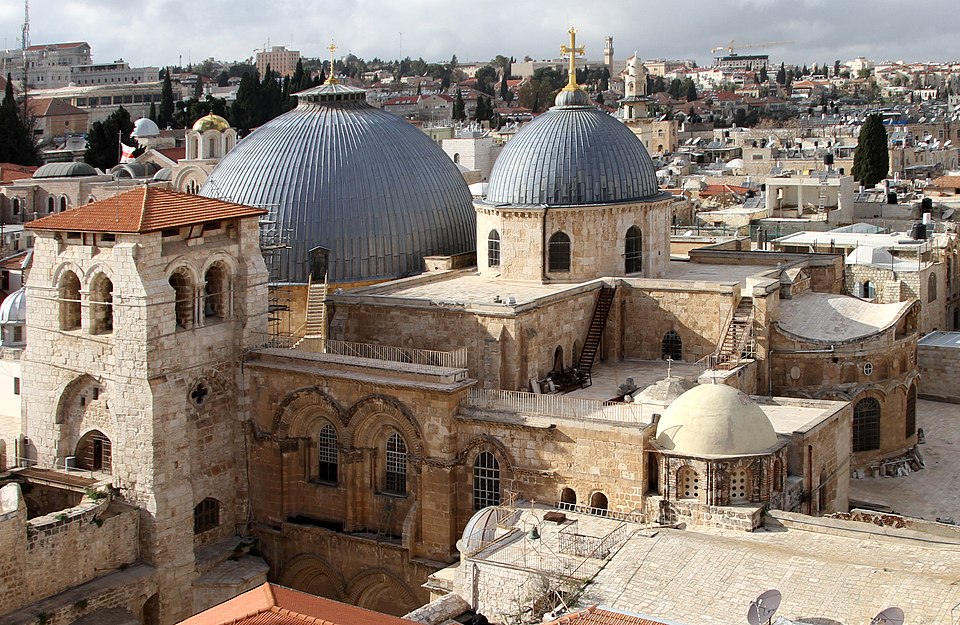
The Holy Sepulchre Tomb: What the 2016 Opening Revealed

Beneath marble cladding, conservation exposed the rock at the heart of a living pilgrimage. Mortar, old accounts and modern observation each tell a different part of its history.

Open case file →
Original editorial diagram summarizing this file’s cited records and the limits of its finding. Context only: this original diagram is a reading aid, not evidence for historical, medical, or supernatural claims, and does not depict or authenticate an artifact.

Original Corpus Files graphic

P46 · PAGES AND POSSIBILITIES 01

Explore the story

A surviving transition is secure; the lost ending still invites research.

Preserved order · Physical book · Reconstruction

Context only · not a photograph · not evidence

Papyrus P46: Paul’s Letters Bound for Readers

An early collection of letters survives between Dublin and Michigan, with an unexpected place for Hebrews and missing pages that still invite careful reconstruction.

Open case file →
Original editorial diagram exploring the object’s story through the sources cited in this file. Context only: this original diagram is a reading aid, not evidence for historical, medical, or supernatural claims, and does not depict or authenticate an artifact.

Original Corpus Files graphic

MAG · CARVED MEMORY 01

A closer look

A menorah brings Jerusalem into a Galilean gathering place.

Room · Image · Interpretation

Context only · not a photograph · not evidence

The Magdala Stone: A Galilean Community Remembers the Temple

A carved menorah, painted walls and a stone set on four feet open a window onto Jewish life beside the Sea of Galilee—and the world in which Jesus taught.

Open case file →
Original editorial diagram exploring the object’s story through the sources cited in this file. Context only: this original diagram is a reading aid, not evidence for historical, medical, or supernatural claims, and does not depict or authenticate an artifact.

Original Corpus Files graphic

LUC · LIVING IMAGE 01

A closer look

An old crucifix becomes visible in newly recovered color.

Materials · Restoration · Return

Context only · not a photograph · not evidence

Lucca’s Holy Face: An Ancient Crucifix Finds Its Colors

The Volto Santo has watched over Lucca for centuries. Scientific dating and a completed restoration bring its early medieval craftsmanship, living gaze and Easter meaning into clearer view.

Open case file →
Original editorial diagram exploring the object’s story through the sources cited in this file. Context only: this original diagram is a reading aid, not evidence for historical, medical, or supernatural claims, and does not depict or authenticate an artifact.

Original Corpus Files graphic

ANT · VESSEL AND VINE 01

A closer look

A familiar name opens a question about the object’s original use.

Name · Form · Meaning

Context only · not a photograph · not evidence

The Antioch “Chalice”: Silver, Vines and the Light of Christ

A silver vessel once promoted as the Holy Grail may have served as a church lamp. Its changing identification opens a richer story about early Christian beauty and worship.

Open case file →
Original editorial diagram exploring the object’s story through the sources cited in this file. Context only: this original diagram is a reading aid, not evidence for historical, medical, or supernatural claims, and does not depict or authenticate an artifact.

Original Corpus Files graphic

ARG · THREADS OF MEMORY 01

A closer look

Follow the surviving garment through records, damage and devotion.

Record · Material · Ostension

Context only · not a photograph · not evidence

Argenteuil’s Holy Tunic: A Fragile Garment and an Undivided Hope

A damaged textile draws pilgrims toward Christ’s Passion. Its medieval records, disrupted preservation and reported radiocarbon date invite an honest account of both devotion and attribution.

Open case file →
Original editorial diagram exploring the object’s story through the sources cited in this file. Context only: this original diagram is a reading aid, not evidence for historical, medical, or supernatural claims, and does not depict or authenticate an artifact.

Original Corpus Files graphic

GEN · GREEN GLASS 01

A closer look

Light, material and memory give the basin different stories to tell.

Material · Origin · Tradition

Context only · not a photograph · not evidence

Genoa’s Sacro Catino: The Green Vessel and the Memory of the Supper

Light reveals the color of a vessel once thought to be emerald. Its glass, fractures, crusading history and changing Grail tradition tell several stories at once.

Open case file →
Original editorial diagram separating the surviving object, scholarly interpretation and a reader's response. Context only: this original diagram is a reading aid, not evidence for historical, medical, or supernatural claims, and does not depict or authenticate an artifact.

Original Corpus Files graphic

P137 · READING MAP 01

From object to interpretation

A fragment becomes readable through a published argument

Mark 1 · Oxyrhynchus · Oxford

Context only · not a photograph · not evidence

Papyrus P137: A Small Page of Mark and a Changed Date

A damaged page carries words about baptism and following Jesus. Its published study replaced a celebrated first-century claim with a later estimate, opening a richer story about Scripture, scholarship and the care of ancient objects.

Open case file →
Original editorial diagram distinguishing a material comparison from two further historical questions; it is not a reconstructed transport route. Context only: this original diagram is a reading aid, not evidence for historical, medical, or supernatural claims, and does not depict or authenticate an artifact.

Original Corpus Files graphic

NAZ · THREE QUESTIONS 01

Follow three different questions

Where stone began is one part of its story

Marble · Inscription · Historical occasion

Context only · not a photograph · not evidence

The Nazareth Inscription: A Stone, a Grave and an Unfinished Story

An ancient command protects the dead, while a modern test points toward a Greek island. The inscription's story invites us to distinguish the source of its marble from the occasion for its words—and to reflect on Christian hope beside the grave.

Open case file →
Original editorial diagram connecting the kinds of evidence used to interpret Beta Samati. It is not an excavation plan, artifact reconstruction or a measured chronology. Context only: this original diagram is a reading aid, not evidence for historical, medical, or supernatural claims, and does not depict or authenticate an artifact.

Original Corpus Files graphic

BET · COMMUNITY 01

Explore the story

A building understood through its contexts

Beta Samati · Northern Ethiopia

Context only · not a photograph · not evidence

Beta Samati: Finding a Christian Community in an African Town

A basilica, dated seeds and inscribed objects bring an Aksumite community into view. Their associations illuminate early Christianity in northern Ethiopia while leaving room for difficult questions about religious change, local creativity and daily life.

Open case file →
Original editorial diagram separating the dated specimen, the undated Philip attribution and the custodian's present language. It does not portray human remains or authenticate a relic. Context only: this original diagram is a reading aid, not evidence for historical, medical, or supernatural claims, and does not depict or authenticate an artifact.

Original Corpus Files graphic

JPH · SPECIMEN 01

Explore the story

One tested attribution, a separate unresolved question

Santi Apostoli · Rome

Context only · not a photograph · not evidence

James and Philip in Rome: A Relic's Name Meets a Bone's Date

At Rome's Santi Apostoli, the dated C94 bone attributed to James is too late for a first-century identity. Philip's remains were not successfully dated. Following the exact specimen preserves a clear finding alongside Catholic reflection on devotion, attribution and an unknown person's life.

Open case file →
Original editorial diagram separating visible composition, historical interpretation and unanswered questions. It is not a tracing or reconstruction of the graffito. Context only: this original diagram is a reading aid, not evidence for historical, medical, or supernatural claims, and does not depict or authenticate an artifact.

Original Corpus Files graphic

ALX · INTERPRETATION 01

Explore the evidence

A Christian reference, an uncertain conversation

Alexamenos · Palatine

Context only · not a photograph · not evidence

The Alexamenos Graffito: A Cross, a Name and an Unfinished Conversation

An ancient scratched picture brings Christian worship of a crucified figure into view. Its likely parody is historically important, while the maker's identity, exact date and relationship with the named Alexamenos remain uncertain.

Open case file →
Original editorial reading aid. These steps organize the argument; they do not depict the objects or independently authenticate a laboratory result. Context only: this original diagram is a reading aid, not evidence for historical, medical, or supernatural claims, and does not depict or authenticate an artifact.

Original Corpus Files graphic

CHINON · OBJECT 01

Explore the story

The Chinon bottle: attribution, testing and remaining unknowns

Object history · material report · public explanation

Context only · not a photograph · not evidence

Joan of Arc's Supposed Relics: The Bottle of Chinon

A label linked dark fragments to Joan of Arc's execution. Their material history led elsewhere. Follow the bottle, the changing interpretations and the forensic study without confusing a false attribution with a judgment on the saint.

Open case file →
Original editorial comparison. It supplies no new probability, reconstructed journey or image of the remains. Context only: this original diagram is a reading aid, not evidence for historical, medical, or supernatural claims, and does not depict or authenticate an artifact.

Original Corpus Files graphic

PADUA · IDENTITY 01

Explore the story

Luke at Padua: tradition, comparison and identity

Custody · comparison · personal identification

Context only · not a photograph · not evidence

Luke at Padua: What the Bones and DNA Can Tell Us

At Santa Giustina, a long tradition meets a small genetic sample. Read the ancient testimony, the 1998 opening and the published scientific debate while distinguishing an old skeleton from a personally identified evangelist.

Open case file →
Original editorial diagram distinguishing manuscript evidence from a reconstruction of the collection's history. It does not restore a missing passage or map a proven line of copying. Context only: this original diagram is a reading aid, not evidence for historical, medical, or supernatural claims, and does not depict or authenticate an artifact.

Original Corpus Files graphic

THM · TEXT 01

Explore the evidence

A comparison without an invented original

Thomas · Greek and Coptic witnesses

Context only · not a photograph · not evidence

The Greek Fragments of Thomas: Shared Sayings, Changed Contexts

Three Greek papyri from Oxyrhynchus preserve sayings also known in the later Coptic Gospel of Thomas. Their differences in wording and arrangement are historically significant; neither an early copy nor a familiar saying establishes apostolic authorship or a new biblical canon.

Open case file →
Original editorial diagram separating the observed manuscript reading from wider textual and interpretive questions. It is not a transcription, photograph or reconstruction of the papyrus. Context only: this original diagram is a reading aid, not evidence for historical, medical, or supernatural claims, and does not depict or authenticate an artifact.

Original Corpus Files graphic

P115 · READING 01

Explore the evidence

Keep attestation distinct from interpretation

Revelation 13:18 · P115

Context only · not a photograph · not evidence

Papyrus 115: Why an Ancient Copy of Revelation Reads 616

Papyrus 115 preserves 616 at Revelation 13:18, a variant already discussed in antiquity. Its surviving ink strengthens the evidence for that reading's transmission; it does not automatically replace 666 or reveal a new identity for the beast.

Open case file →
Original editorial comparison. No boat is depicted, no missing timber is restored and no particular Gospel voyage is authenticated by this diagram. Context only: this original diagram is a reading aid, not evidence for historical, medical, or supernatural claims, and does not depict or authenticate an artifact.

Original Corpus Files graphic

GALILEE · HULL 01

Explore the story

The survivor, the reconstruction and the unnamed owner

Material record · proposed completion · attribution limit

Context only · not a photograph · not evidence

The Sea of Galilee Boat: A Working Hull from the Gospel World

An ancient hull recovered near Ginosar opens a window onto boatbuilding, maintenance and work around the Sea of Galilee. Its dating and conservation are documented; its owner and any connection to a particular Gospel voyage remain unknown.

Open case file →
Original editorial diagram of three reading tasks, not a facsimile or a proposed arrangement of the fragments. Context only: this original diagram is a reading aid, not evidence for historical, medical, or supernatural claims, and does not depict or authenticate an artifact.

Original Corpus Files graphic

TDAN · READING SCOPE 01

Explore the evidence

A local reading and a complete reconstruction need separate arguments.

Tel Dan · Inscription study

Context only · not a photograph · not evidence

The Tel Dan inscription: a name, a kingdom, and an unfinished text

The Tel Dan fragments make a David-associated political identity historically plausible. Reading the name, joining the stones and identifying the defeated kings are separate questions; the monument cannot certify the whole biblical narrative.

Open case file →
Original question map. It separates the propositions an authenticity claim can contain. Context only: this original diagram is a reading aid, not evidence for historical, medical or supernatural claims, and does not depict or authenticate an artifact.

Original Corpus Files graphic

NEW-098 · EVIDENCE QUESTIONS

Explore the evidence

Three questions need distinct evidence

Material, writing and historical claim

Context only · not a photograph · not evidence

The Gospel of Jesus’s Wife: What the Tests Could Not Authenticate

The fragment’s authenticity debate turns on several different questions: the age of its material, the origin of its writing and the reliability of its ownership account. Those questions cannot be answered by one test or one provocative phrase.

Open case file →
Original guide to separating an observation from a proposed explanation. No posture or physical object is depicted. Context only: this original diagram is a reasoning aid, not evidence for historical, medical, or supernatural claims, and does not depict or authenticate an artifact.

Original Corpus Files graphic

HEEL · INFERENCE 01

Follow the evidence

An injury does not supply the entire scene

Observation · proposal · limit

Context only · not a photograph · not evidence

Yehohanan's Heel Bone: What Crucifixion Left Behind

A pierced heel shows why an injury and its reconstruction differ.

Open case file →
Original comparison of the questions in this account. The diagram does not reproduce the manuscript or reconstruct a missing page. Context only: this original diagram is a reading aid, not evidence for historical, medical, or supernatural claims, and does not depict or authenticate an artifact.

Original Corpus Files graphic

CODEX ALEXANDRINUS · READING 01

Explore the evidence

Collection, wording, reception

Questions for reading the published evidence

Context only · not a photograph · not evidence

Codex Alexandrinus: Clement, Canon, and a Corrected Gospel

A Greek biblical codex whose additional writings, missing leaves, and documented correction invite precise questions about the history of Scripture.

Open case file →
Original comparison of the questions in this account. The diagram does not reproduce the manuscript or reconstruct a missing page. Context only: this original diagram is a reading aid, not evidence for historical, medical, or supernatural claims, and does not depict or authenticate an artifact.

Original Corpus Files graphic

CODEX BEZAE · READING 01

Explore the evidence

Reading, comparison, judgment

Questions for reading the published evidence

Context only · not a photograph · not evidence

Codex Bezae: Why Its Gospel and Acts Readings Differ

A Greek–Latin manuscript whose expansions, shorter readings, and corrections make the history of New Testament transmission unusually visible.

Open case file →
Original source map based on the inspected historical edition; it does not reproduce the manuscript. Context only: this original diagram is a reading aid, not evidence for historical, medical or supernatural claims, and does not depict or authenticate an artifact.

Original Corpus Files graphic

NEW-135 · READING MAP

Explore the manuscript

Follow the reading through its layers

The historical edition and its witness

Context only · not a photograph · not evidence

Codex Ephraemi Rescriptus: Recovering a Bible Without Hiding Its Uncertainties

Tischendorf’s nineteenth-century edition recovered substantial biblical writing from reused parchment. Its descriptions, transcriptions and disagreements show why an erased manuscript can be a valuable witness without making every disputed letter certain.

Open case file →
Original comparison of the questions in this account. The diagram does not reproduce the manuscript or reconstruct a missing page. Context only: this original diagram is a reading aid, not evidence for historical, medical, or supernatural claims, and does not depict or authenticate an artifact.

Original Corpus Files graphic

CODEX GIGAS · READING 01

Explore the evidence

Object, production, legend

Questions for reading the published evidence

Context only · not a photograph · not evidence

Codex Gigas: The Manuscript Behind the One-Night Legend

The real medieval book invites separate questions about its making, its biblical readings, and the dramatic story later attached to it.

Open case file →
Original comparison of the questions in this account. The diagram does not reproduce the manuscript or reconstruct a missing page. Context only: this original diagram is a reading aid, not evidence for historical, medical, or supernatural claims, and does not depict or authenticate an artifact.

Original Corpus Files graphic

CODEX WASHINGTONIANUS · READING 01

Explore the evidence

Passage, ancestry, later use

Questions for reading the published evidence

Context only · not a photograph · not evidence

Codex Washingtonianus: Mark’s Extra Passage and a Layered Book

How to distinguish a manuscript reading from a claim about its origin, and a historical book from later interpretations.

Open case file →
Original guide to comparing a short text with its literary surroundings. It does not reconstruct damaged letters or assign an archaeological date. Context only: this original diagram is a reading aid, not evidence for historical, medical, or supernatural claims, and does not depict or authenticate an artifact.

Original Corpus Files graphic

KETEF · TEXT 01

Follow the evidence

Keep three historical questions distinct

Read · compare · limit

Context only · not a photograph · not evidence

The Ketef Hinnom Silver Scrolls: How Old Is the Blessing?

Two small inscriptions open a large question: how do archaeological context, letter forms and a familiar blessing establish a date without becoming a date for the whole Bible?

Open case file →
Original reading map based on the 1894 edition, not a photograph or reconstruction of the artifact. Context only: this original diagram is a reading aid, not evidence for historical, medical or supernatural claims, and does not depict or authenticate an artifact.

Original Corpus Files graphic

NEW-173 · READING MAP

Explore the manuscript

Keep the witness and translation distinct

Three stages of reading

Context only · not a photograph · not evidence

The Sinai Syriac Palimpsest: Hearing the Gospels Beneath Another Book

An erased Syriac Gospel manuscript became readable through photography, transcription and comparison. Its unusual readings deserve attention in their surviving context, with the ancient witness kept distinct from a nineteenth-century English translation.

Open case file →
Original guide to matching a measurement with the claim it can address. It is not a map, reconstruction or reproduction of the object. Context only: this original diagram is a reasoning aid, not evidence for historical, medical, or supernatural claims, and does not depict or authenticate an artifact.

Original Corpus Files graphic

VINLAND · MATERIALS 01

Follow the evidence

Date the material that answers the question

Support · drawing · limit

Context only · not a photograph · not evidence

The Vinland Map: Old Parchment, Modern Ink

A disputed map tests how material examinations support a historical conclusion.

Open case file →