
Start here
The story, in brief
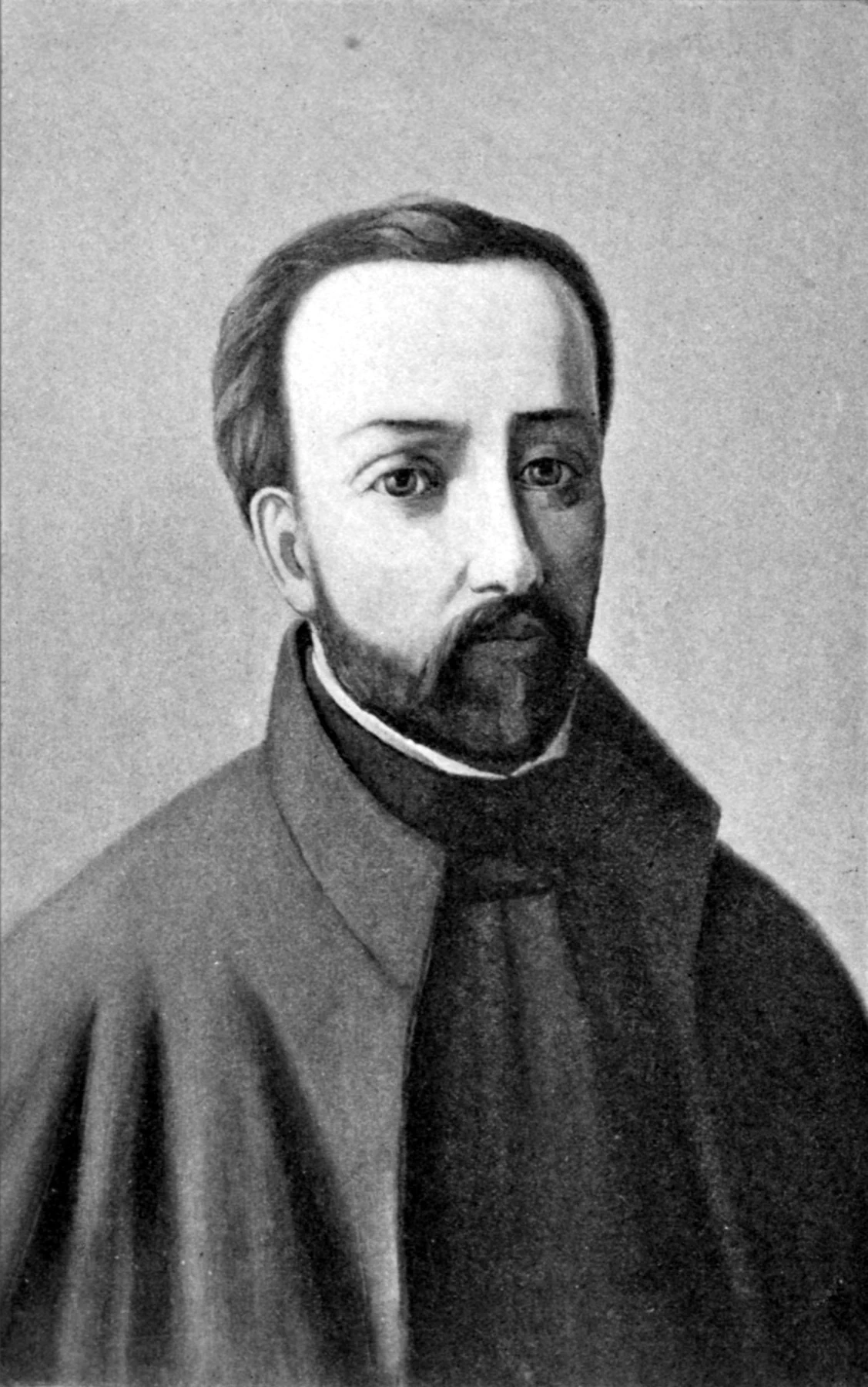
Some missionary lives unfold over decades. Gabriel Lalemant’s time in the Wendat mission was brief. After years of teaching and preparation, he joined the work associated with Jean de Brébeuf and died in the attacks of 1649. [EX-01]
Martyrs’ Shrine identifies relics attributed to him and preserves a historical account of the remains’ recovery and movement. To understand this file, it helps to recover the life behind the bones before asking how securely those bones can be identified. [SRC-01; SRC-02]
The person
Lalemant was a Jesuit teacher whose mission service followed years of preparation.
The history
The shrine relates the recovery and movement of relics attributed to him.
The limit
That historical account is not an independent biological identification.
Explore the chapters
A vocation shaped by ordinary work
Loyola Marymount University’s account describes a Paris-born Jesuit who entered the order in 1630. Teaching, studies, and school chaplaincy occupied years before his departure for Canada in 1646. It also remembers his weak health. Lalemant’s mission was not simply the adventure of a physically invulnerable man. [EX-01]
Those earlier years give substance to a life easily reduced to its ending. Study and teaching required patience long before the crisis that made him famous. For a reader, this raises a recognizable question: how do ordinary responsibilities prepare a person to respond when circumstances become extraordinary?
A brief period beside Brébeuf
The university biography places Lalemant at Sainte-Marie in September 1648, working with Brébeuf and visiting mission communities. It records his death in March 1649. Some details of the attack’s chronology vary between modern accounts, so this article avoids presenting a reconstructed sequence of hours as certain. [EX-01]
The short interval matters. Lalemant’s place in the Church’s memory is not a reward for a large measurable output of missionary work. It reflects the Church’s judgment about his fidelity. That is a different way of assessing a life from counting its years or visible accomplishments. [EX-01; EX-02]
What martyrdom means at this shrine
John Paul II’s 1984 homily at Midland places the martyrs’ witness within the love of Christ described in Romans 8. Christian remembrance interprets their endurance as fidelity to that love, not as a celebration of their attackers’ violence. [EX-02]
This distinction also changes the tone of the story. Graphic details can overwhelm the person and the people around him. A serious account can acknowledge the brutality without making suffering a spectacle. Lalemant’s faith and service provide the reason Catholics remember him.
Recovery, translation, and a modern tour
In relic history, a translation means moving remains from one place to another. The shrine’s historical account describes recovery and translation in connection with Brébeuf and Lalemant. The underlying primary documents and the connection to each present fragment still need to be checked. [SRC-02]
The contemporary attribution is clearer. Thunder Bay’s diocesan report identifies Lalemant’s bones among the relics received in February 2025, and Ottawa’s official event notice names them for its March visit. These records demonstrate a current institutional identification and public devotional context. [EX-03; EX-04]
A fragment needs its own history
The history of a saint and the history of a fragment bearing his name are not identical. A biography can establish that a person lived and died in a particular setting without establishing that a later object came from his body. Likewise, a group reliquary does not automatically supply an item-by-item chain of custody. [SRC-01; SRC-02]
The most useful next evidence would identify the exact material and its inventory reference, then connect it with the relevant recovery, transfer, and conservation records. An authenticum and intact seals would be important parts of that documentation, but their contents would still need to be read carefully.
The value of looking beyond the label
Lalemant’s life invites attention to preparation, fragility, and fidelity within a short period of service. The relic can make that remembrance concrete. It cannot tell the full story without the biography, the community’s history, and the documents that explain why the shrine attributes the material to him. [EX-01; SRC-01]
The present conclusion remains precise: the shrine documents attributed relics and a historical narrative; independent biological identity is unresolved. That leaves room for a meaningful encounter with the saint and for further historical work. [SRC-01; SRC-02]
Catholic reflection & discussion
Let the object open a larger question
Pause over what this object brings to mind: a person, a place, an act of devotion, or a question about the past. Let that curiosity guide a careful reading of both its history and its meaning.
These editorial prompts invite reflection on the article. They are distinct from Church teaching and the evidence findings.
Pause and reflect
- What draws your attention to this object, and what are you hoping to understand through it?
- How does the article distinguish the object's documented history from the meaning people give it?
- If an attribution remains uncertain, which questions about faith, memory or devotion would still be worth exploring?
Discuss with family or a group
Choose questions suited to your readers' ages and experiences. Anyone can pass or keep a response private.
- Begin with a familiar family keepsake. What can an object help someone remember, and what would be needed to establish its history?
- Choose one image or description in the file. Which things can you observe, and which would you need a source to know?
Questions people ask
Open any question for a fuller answer and its sources.
Was Lalemant in the mission for many years?
His preparation was lengthy, but the cited biography places him at Sainte-Marie only from September 1648 before his death in March 1649. [EX-01]
What does translation mean in this file?
It means the transfer of remains to another place. It does not mean translating a written text. The shrine describes such movements in its historical narrative. [SRC-02]
Do the tour notices settle the bones’ identity?
What the evidence can establish
Evidence verdict: unresolved
Does Martyrs' Shrine document bones attributed to Gabriel Lalemant and their historical translation?
The shrine documents relics attributed to Gabriel Lalemant and gives the shrine's historical account; the remains' biological identity is not independently demonstrated.
Church or institutional status
Official shrine custody
- Authority
- Martyrs' Shrine, Midland
- Scope of the finding
- Custody, veneration, and shrine-reported translation history.
- Limits of the finding
- Does not independently establish biological identity.
Sources and notes
Back to the overviewSource labels describe a document's type and role, not the strength of a claim. Where provided, notes explain its use, access limits, and outstanding checks.
Identifies the Lalemant relic in the current shrine collection. What it does not establish: No modern independent identity testing is supplied.
Provides the shrine's account of exhumation and translation of Brébeuf and Lalemant. What it does not establish: Institutional historical narrative; primary records should still be checked.
- EX-01Loyola Marymount University: Saint Gabriel Lalemant (opens in a new tab)Official sourceCited in this file
Read the source note for the passage used and any limits on what it supports.
University mission biography covering Jesuit formation, teaching, Canada, and martyrdom; precise birth and capture-day discrepancies are not adopted.
- EX-02John Paul II, homily at the Martyrs’ Shrine, 15 September 1984 (opens in a new tab)Official sourceCited in this file
Read the source note for the passage used and any limits on what it supports.
Primary explanation of Catholic martyrdom, Indigenous Christian agency, cultural respect, and reconciliation; not an anatomical or provenance report.
- EX-03Diocese of Thunder Bay: relic visit at Saint Dominic Church, February 2025 (opens in a new tab)Official sourceCited in this file
Read the source note for the passage used and any limits on what it supports.
Host diocese identifies the skull and bone relics from Midland and reports the 10 February 2025 celebration; does not provide biological testing. The page’s broad historical introductory wording is not adopted.
- EX-04Archdiocese of Ottawa-Cornwall: Canadian Martyrs relic tour, 28 March 2025 (opens in a new tab)Official sourceCited in this file
Read the source note for the passage used and any limits on what it supports.
Official host notice identifies the relics and connects veneration with Mass, a talk, and intercession. It is evidence of attributed objects and a scheduled event, not proof of identity.
Corrections and updates
Expanded this file with a sourced narrative, 6 chapters and 4 answers to common questions. The existing evidence verdict label and institutional status are retained. Independent human review remains pending.