
Start here
The story, in brief
Pniewy was a beginning after movement. The sanctuary identifies it as the first house of Ursula Ledóchowska’s congregation after her return from Scandinavia. A life of education and religious community acquired a lasting home there. [SAINT-SAINT-URSULA-LEDOCHOWSKA-S01]
The shrine also marks three different later events: the 1989 return of remains, the 2003 canonization, and a separate decree establishing a diocesan sanctuary. Those distinctions help readers understand what each act actually did. [SAINT-SAINT-URSULA-LEDOCHOWSKA-S01]
A motherhouse with history
Pniewy anchors a vocation shaped across countries. [SAINT-SAINT-URSULA-LEDOCHOWSKA-S01]
Three distinct acts
Transfer, canonization, and sanctuary designation should not be conflated. [SAINT-SAINT-URSULA-LEDOCHOWSKA-S01]
A custodial description
The bodily claim still needs material documentation. [SAINT-SAINT-URSULA-LEDOCHOWSKA-S01]
Explore the chapters
Education across changing borders
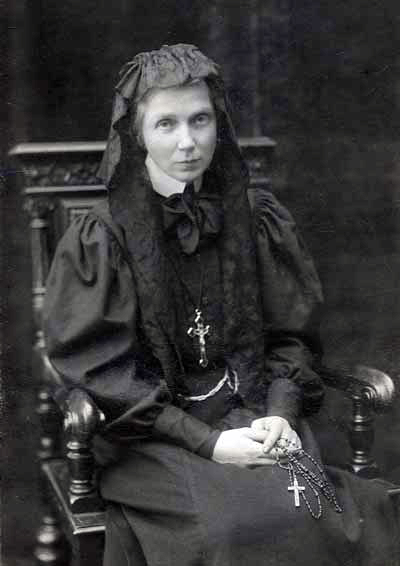
Ursula was a Polish Catholic educator and founder whose work extended across European countries during political upheaval. The official recognition text places that religious life within a broad history of service. Her significance is not that movement was easy, but that education and community could be rebuilt through it. [SAINT-SAINT-URSULA-LEDOCHOWSKA-S02]
Why Pniewy matters
The custodian identifies Pniewy near Poznań as the congregation’s motherhouse, established after her return from Scandinavia. The place is therefore more than a later memorial destination. It is connected with the practical continuity of the Ursuline Sisters of the Agonizing Heart of Jesus. [SAINT-SAINT-URSULA-LEDOCHOWSKA-S01]
The spirituality in the name
The congregation’s title directs attention to Christ’s love and suffering. In the Catholic understanding of Ursula’s educational legacy, religious devotion is expressed through a community serving other people. The institutional name supplies a theological setting; it is not a claim that an unusual bodily phenomenon is the foundation’s purpose. [SAINT-SAINT-URSULA-LEDOCHOWSKA-S01] [SAINT-SAINT-URSULA-LEDOCHOWSKA-S02]
From Rome to Poland in 1989
The sanctuary reports that Ursula’s relics were transferred from Rome to Pniewy in 1989 and placed in a special sarcophagus. It describes the body as incorrupt. The transfer is a custodial chronology, and the bodily description is the custodian’s claim; neither supplies the full examination or treatment record. [SAINT-SAINT-URSULA-LEDOCHOWSKA-S01]
The 2003 canonization
John Paul II canonized Ursula on 18 May 2003. The papal act supplies a formal recognition source, while the Acts of the Apostolic See provide an additional official documentary route. The precise role of any miracle in the cause should be established from its particular decree rather than inferred from the date alone. [SAINT-SAINT-URSULA-LEDOCHOWSKA-S02] [SAINT-SAINT-URSULA-LEDOCHOWSKA-S03]
A sanctuary is a separate designation
The Pniewy site says the Archbishop of Poznań established it as a diocesan sanctuary on 9 December 2003. That concerns the religious status of a place. It is distinct from canonization of a person and from authentication or scientific examination of the remains within the shrine. [SAINT-SAINT-URSULA-LEDOCHOWSKA-S01]
What a visitor can investigate
The motherhouse, recognition acts, and transfer history offer a framework for deeper reading. A full biography would examine the educational communities and people served across her different settings. A full bodily investigation would examine custody and conservation. Both honor the complexity of a life that crossed borders and left institutions behind. [SAINT-SAINT-URSULA-LEDOCHOWSKA-S01] [SAINT-SAINT-URSULA-LEDOCHOWSKA-S02]
Catholic reflection & discussion
Look for the person within the story
Spend a moment with the choices, relationships and hardships in this life. Consider what you might learn from the person as well as from the extraordinary claims examined in the file.
These editorial prompts invite reflection on the article. They are distinct from Church teaching and the evidence findings.
Pause and reflect
- Which choice or experience in this life stays with you, and why?
- What would you like to understand better about the person's faith and the world they lived in?
- Is there a small act of patience, courage or service that this reading invites you to consider?
Discuss with family or a group
Choose questions suited to your readers' ages and experiences. Anyone can pass or keep a response private.
- Ask each person to choose a moment from the life described here. What makes that moment worth remembering?
- Which details have clear sources, and which remain uncertain? How could you tell the story honestly without losing its human meaning?
Questions people ask
Open any question for a fuller answer and its sources.
Why are there several important dates?
The 1989 transfer, the May 2003 canonization, and the December 2003 sanctuary designation were different acts. [SAINT-SAINT-URSULA-LEDOCHOWSKA-S01]
Does a diocesan sanctuary decree prove incorruption?
No. It concerns a place of worship, not a medical finding. [SAINT-SAINT-URSULA-LEDOCHOWSKA-S01]
What does the custodian say about the body?
It describes an incorrupt body transferred into a special sarcophagus. The underlying examination is not published in that welcome page. [SAINT-SAINT-URSULA-LEDOCHOWSKA-S01]
Why begin with education?
Her religious foundation and educational vocation explain the person whose memory the shrine preserves. [SAINT-SAINT-URSULA-LEDOCHOWSKA-S02]
What the evidence can establish
Evidence verdict: unresolved
Are the remains in the Pniewy sarcophagus a naturally preserved, substantially intact body, with identity, anatomy, and treatment fully documented?
The current sanctuary establishes the institutional claim and transfer, but does not publish the necessary physical documentation. The official sanctuary says the remains were transferred from Rome in 1989 and describes them as incorrupt. The accessible source does not publish anatomy, embalming, conservation, or reconstruction details, so natural substantial preservation remains unresolved.
Sources: [SAINT-SAINT-URSULA-LEDOCHOWSKA-S01; SAINT-SAINT-URSULA-LEDOCHOWSKA-S02; SAINT-SAINT-URSULA-LEDOCHOWSKA-S03]
Church or institutional status
Canonized Catholic saint
- Authority
- Sanctuary of Saint Ursula Ledóchowska and Holy See
- Scope of the finding
- Roman Catholic saint, canonized by John Paul II on 18 May 2003.
- Limits of the finding
- Ecclesial recognition, commemoration, or custodial attribution is separate from physical identity and preservation evidence.
Sources and notes
Back to the overviewSource labels describe a document's type and role, not the strength of a claim. Where provided, notes explain its use, access limits, and outstanding checks.
- SAINT-SAINT-URSULA-LEDOCHOWSKA-S01Pniewy sanctuary — official English overview (opens in a new tab)Official source
It says the relics were transferred from Rome to Pniewy in 1989, calls the body “incorrupt,” says it was placed in a special sarcophagus, and gives the 18 May 2003 canonization and diocesan sanctuary decree. What it does not establish: custodian wording is not an anatomy or conservation report; it does not disclose completeness, embalming, reconstruction, or treatment.
- SAINT-SAINT-URSULA-LEDOCHOWSKA-S02John Paul II canonization apostolic letter, 18 May 2003 (opens in a new tab)Official source
It is the formal canonization document. What it does not establish: canonization does not establish bodily preservation.
- SAINT-SAINT-URSULA-LEDOCHOWSKA-S03Acta Apostolicae Sedis, February 2003 PDF (opens in a new tab)Official source
It supplies official cause/miracle and beatification context. What it does not establish: it is ecclesial cause documentation, not a current relic examination.
Corrections and updates
Expanded this file with a sourced narrative, 7 chapters and 4 answers to common questions. The existing evidence verdict label and institutional status are retained. Independent human review remains pending.