
Start here
The story, in brief
The story does not turn on Margaret being cured. The diocesan account says her parents sought a healing, did not receive the result they wanted, and abandoned her. The religious community later remembered the person whom others had failed to value. [SAINT-SAINT-MARGARET-OF-CASTELLO-S02]
In 2021 Pope Francis extended her cult to the universal Church and enrolled her among the saints. This makes the recognition unusually precise, while the earlier life still reaches us through medieval hagiographic texts that must be read as such. [SAINT-SAINT-MARGARET-OF-CASTELLO-S01] [SAINT-SAINT-MARGARET-OF-CASTELLO-S02]
Dignity before a cure
The story’s religious force does not depend on disability disappearing. [SAINT-SAINT-MARGARET-OF-CASTELLO-S02]
A documented act
The 2021 decree explains the scope of equipollent canonization. [SAINT-SAINT-MARGARET-OF-CASTELLO-S01]
A human community
Hospitality and peacemaking are essential parts of the remembered life. [SAINT-SAINT-MARGARET-OF-CASTELLO-S02]
Explore the chapters
The sources begin with a medieval life
The diocese identifies two Latin versions of a legenda as the foundation of Margaret’s biography. It places her birth around 1287 at Metola and describes blindness and other disabilities. The genre matters: a devotional life seeks to reveal sanctity and may preserve valuable testimony, but it is not a modern clinical or social-service record. [SAINT-SAINT-MARGARET-OF-CASTELLO-S02]
When the desired miracle did not happen
According to that narrative, her parents brought her to a holy person’s tomb seeking healing, then left her when no healing occurred. The moral center is not the failure of a body to become typical. It is the failure to recognize a person’s dignity when an expected change did not happen. This is a reading of the transmitted story, not a claim to know the parents’ unrecorded thoughts. [SAINT-SAINT-MARGARET-OF-CASTELLO-S02]
A community sees a different person
The diocesan account traces Margaret through homelessness, a short monastic stay, and hospitality in the household of Venturino and Grigia. It remembers prayer and efforts to bring peace between families. Those relationships keep her from becoming only an abstract symbol of disability; she is portrayed as someone receiving care and contributing to others. [SAINT-SAINT-MARGARET-OF-CASTELLO-S02]
The Dominican connection
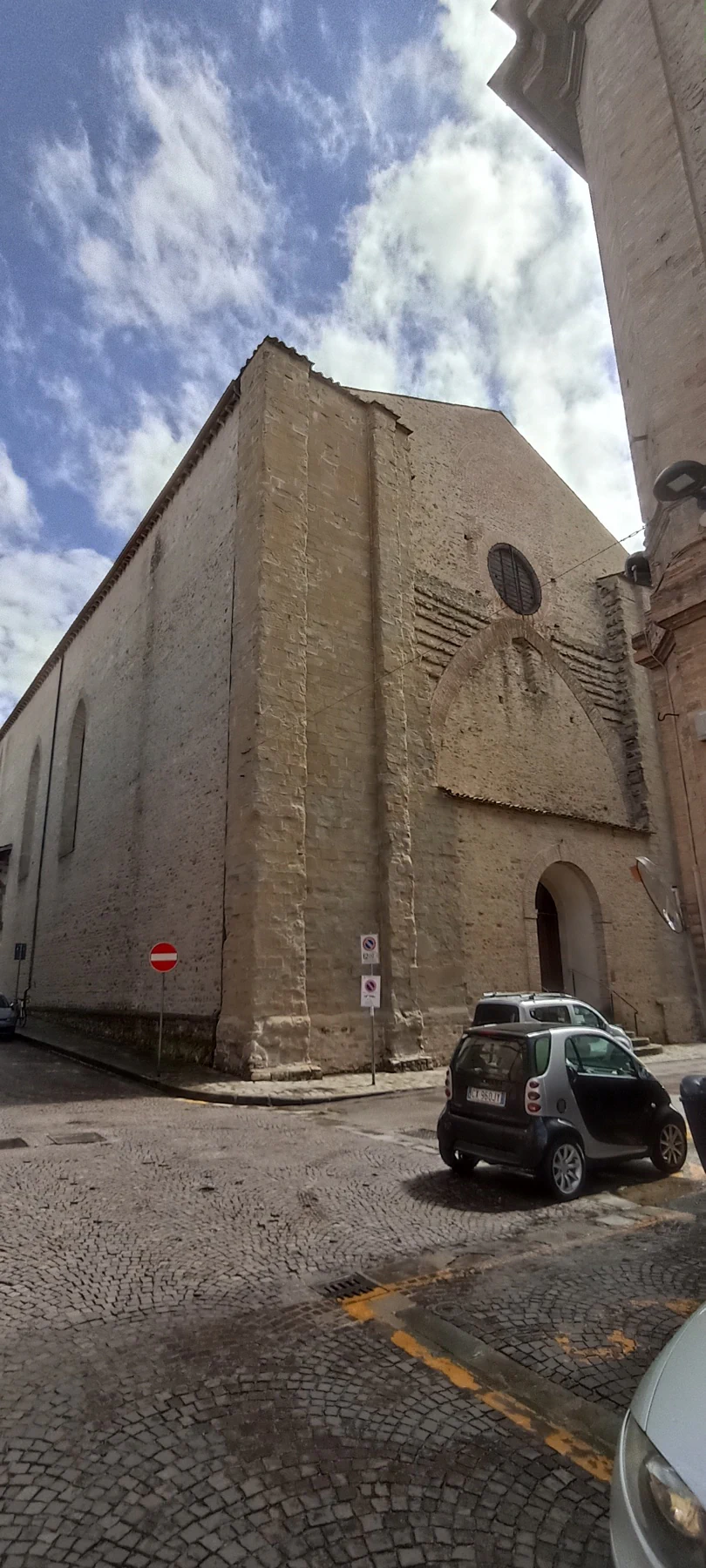
She wore the habit associated with the Friars Preachers and attended their church. The 2021 Vatican decree identifies her with the Third Order of Saint Dominic. Her religious life therefore belongs to a lay penitential tradition rather than requiring a claim that she was an ordained minister or enclosed nun. [SAINT-SAINT-MARGARET-OF-CASTELLO-S01] [SAINT-SAINT-MARGARET-OF-CASTELLO-S02]
A long memory before 2021
The diocese records authorization of her cult in 1609 and later local patronage for people with disabilities. These milestones describe the growth of an existing devotion. They help explain why a medieval person could be newly enrolled in the universal catalogue centuries after her death without suddenly appearing from nowhere. [SAINT-SAINT-MARGARET-OF-CASTELLO-S02]
What equipollent canonization actually did
The 24 April 2021 Vatican bulletin states that Francis extended the cult of Blessed Margaret to the universal Church and inscribed her among the saints. That specific act is called equipollent canonization. It should not be replaced with an invented modern ceremony or an unsourced list of miracles supposedly required in her case. [SAINT-SAINT-MARGARET-OF-CASTELLO-S01]
Her dignity is not a preservation experiment
Margaret died in 1320 and her remains are associated with San Domenico in Città di Castello. The physical condition requires anatomical and conservation documentation. Her importance, as the Church’s story presents it, is already clear without that: disability did not eliminate her capacity for faith, friendship, peacemaking, or contribution. [SAINT-SAINT-MARGARET-OF-CASTELLO-S02] [SAINT-SAINT-MARGARET-OF-CASTELLO-S04]
Catholic reflection & discussion
Look for the person within the story
Spend a moment with the choices, relationships and hardships in this life. Consider what you might learn from the person as well as from the extraordinary claims examined in the file.
These editorial prompts invite reflection on the article. They are distinct from Church teaching and the evidence findings.
Pause and reflect
- Which choice or experience in this life stays with you, and why?
- What would you like to understand better about the person's faith and the world they lived in?
- Is there a small act of patience, courage or service that this reading invites you to consider?
Discuss with family or a group
Choose questions suited to your readers' ages and experiences. Anyone can pass or keep a response private.
- Ask each person to choose a moment from the life described here. What makes that moment worth remembering?
- Which details have clear sources, and which remain uncertain? How could you tell the story honestly without losing its human meaning?
Questions people ask
Open any question for a fuller answer and its sources.
Was Margaret healed of her disabilities?
The central diocesan narrative says the hoped-for healing did not occur. Her remembered holiness does not depend on a cure. [SAINT-SAINT-MARGARET-OF-CASTELLO-S02]
What happened in 2021?
Francis extended her cult to the universal Church and enrolled her among the saints through equipollent canonization. [SAINT-SAINT-MARGARET-OF-CASTELLO-S01]
How close are the biographical sources to the life?
The diocese grounds its narrative in two Latin versions of a medieval legenda. Those texts require historical and genre-sensitive reading. [SAINT-SAINT-MARGARET-OF-CASTELLO-S02]
Does her canonization prove an incorrupt body?
No. The decree concerns ecclesial recognition and universal cult, not an anatomical finding. [SAINT-SAINT-MARGARET-OF-CASTELLO-S01]
What the evidence can establish
Evidence verdict: unresolved
Are the remains currently displayed in Città di Castello a naturally preserved, substantially intact body without reconstruction or undisclosed treatment?
Current Church and municipal sources establish custody/location, but not the physical proposition. Current institutional sources agree that remains attributed to Margaret are conserved in the Dominican church. None publishes the anatomical completeness, display construction, conservation history, or current authentication needed to call them a naturally preserved intact body.
Sources: [SAINT-SAINT-MARGARET-OF-CASTELLO-S01; SAINT-SAINT-MARGARET-OF-CASTELLO-S02; SAINT-SAINT-MARGARET-OF-CASTELLO-S04]
Church or institutional status
Canonized Catholic saint
- Authority
- Holy See and current Dominican custodian
- Scope of the finding
- Roman Catholic saint, equipollently canonized on 24 April 2021.
- Limits of the finding
- Ecclesial recognition, commemoration, or custodial attribution is separate from physical identity and preservation evidence.
Sources and notes
Back to the overviewSource labels describe a document's type and role, not the strength of a claim. Where provided, notes explain its use, access limits, and outstanding checks.
- SAINT-SAINT-MARGARET-OF-CASTELLO-S01Holy See Press Office, 24 April 2021 (opens in a new tab)Official source
It says Pope Francis extended Margaret’s cult to the universal Church and inscribed her in the book of saints, the equipollent canonization. What it does not establish: it establishes status, not the state of the remains.
- SAINT-SAINT-MARGARET-OF-CASTELLO-S02Diocese of Città di Castello — Saint Margaret (opens in a new tab)Official source
It gives local cult history, says her body was brought to the Dominican church, and discusses the 2021 recognition. What it does not establish: no anatomy, treatment, or current authenticum is published.
- SAINT-SAINT-MARGARET-OF-CASTELLO-S04Città di Castello tourism — San Domenico (opens in a new tab)Official source
It locates the body/remains on the high altar. What it does not establish: tourism copy is not a medical or canonical-recognition report.
Corrections and updates
Expanded this file with a sourced narrative, 7 chapters and 4 answers to common questions. The existing evidence verdict label and institutional status are retained. Independent human review remains pending.