
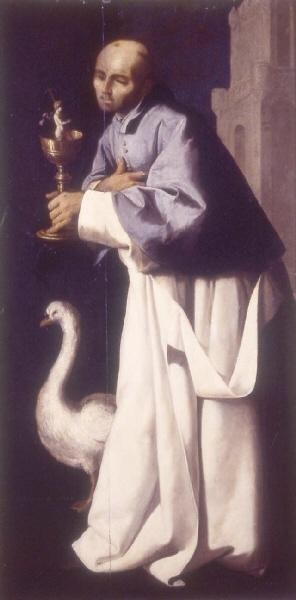
Start here
The story, in brief
When investigators opened graves at Lincoln in 1955, they hoped to recover their cathedral’s most famous saint. They found medieval burials, but could not identify Hugh. The failure is part of the story, alongside a bishop whose legacy had already reshaped the building and the community remembering him. [SAINT-SAINT-HUGH-OF-LINCOLN-S01]
Pastoral work mattered
The canonization history emphasizes vulnerable people and responsible leadership. [SAINT-SAINT-HUGH-OF-LINCOLN-S03]
The medieval report has detail
The 1280 account includes a separated head as well as unusual preservation. [SAINT-SAINT-HUGH-OF-LINCOLN-S01]
The search did not identify him
Grave 2 remains unauthenticated as Hugh’s burial. [SAINT-SAINT-HUGH-OF-LINCOLN-S01]
Explore the chapters
A monk became responsible for a damaged cathedral
The cathedral’s histories trace Hugh’s passage from religious life in Burgundy to the priory at Witham and then the bishopric of Lincoln in 1186. An earthquake had damaged the cathedral the previous year. Rebuilding therefore became an immediate responsibility, connecting a monastic vocation with the practical demands of leading a large institution. [SAINT-SAINT-HUGH-OF-LINCOLN-S02] [SAINT-SAINT-HUGH-OF-LINCOLN-S03]
The evidence for holiness concerned people as well as stone
Lincoln’s account of the canonization inquiry emphasizes careful appointments, independence from civil power, care for people with leprosy, and burial of the dead. That selection is revealing. The Church’s case for Hugh did not rest simply on the scale of a building project; it concerned the way he exercised responsibility toward people. [SAINT-SAINT-HUGH-OF-LINCOLN-S03]
What happened in the 1220 process
The cathedral journal describes a petition from English bishops to Honorius III and a commission examining Hugh’s life and reported miracles. Written lives by Gerald of Wales and Adam of Eynsham formed part of the background. This was a thirteenth-century papal inquiry, not a modern medical-panel process with today’s forms and standards. [SAINT-SAINT-HUGH-OF-LINCOLN-S03]
A splendid shrine followed a modest burial request
The 2026 journal recounts Hugh’s request for relatively plain burial items, including his monastic habit beneath episcopal vestments. It contrasts strikingly with the elaborate shrines later made for his body and head. Devotion changed the scale of the memorial: the religious leader who chose simplicity became the focus of royal ceremony and precious craftsmanship. [SAINT-SAINT-HUGH-OF-LINCOLN-S01]
The 1280 report includes a separated head
The cathedral summarizes an account that Hugh’s body appeared little changed when moved in 1280, 80 years after death. It also says the head had become detached and was separately enshrined. The complete report matters: even the medieval narrative is more specific and complicated than a modern headline announcing an untouched body. [SAINT-SAINT-HUGH-OF-LINCOLN-S01]
Why the 1955 discovery did not solve the mystery
After the shrines were despoiled in 1540, the fate of the remains became uncertain. A later recollection of a headless burial prompted the cathedral’s investigation of nine graves in 1955. The journal reports that scholars rejected identification with Hugh. A headless skeleton was insufficient, and other features of the coffin and burial complicated the theory. [SAINT-SAINT-HUGH-OF-LINCOLN-S01]
The unresolved search has an honest endpoint
The bones and clothing were returned to their respective graves. The cathedral says plans, photographs, and detailed investigation records survive, making further archival appraisal possible. Until new authentication supplies a defensible identification, the remains from “Grave 2” must not be labeled Hugh’s. A medieval preservation account cannot be physically confirmed using an unidentified burial. [SAINT-SAINT-HUGH-OF-LINCOLN-S01]
Catholic reflection & discussion
Look for the person within the story
Spend a moment with the choices, relationships and hardships in this life. Consider what you might learn from the person as well as from the extraordinary claims examined in the file.
These editorial prompts invite reflection on the article. They are distinct from Church teaching and the evidence findings.
Pause and reflect
- Which choice or experience in this life stays with you, and why?
- What would you like to understand better about the person's faith and the world they lived in?
- Is there a small act of patience, courage or service that this reading invites you to consider?
Discuss with family or a group
Choose questions suited to your readers' ages and experiences. Anyone can pass or keep a response private.
- Ask each person to choose a moment from the life described here. What makes that moment worth remembering?
- Which details have clear sources, and which remain uncertain? How could you tell the story honestly without losing its human meaning?
Questions people ask
Open any question for a fuller answer and its sources.
Was Hugh formally canonized?
Yes. Lincoln records his canonization in 1220 and describes Honorius III’s inquiry into his life and reported miracles. [SAINT-SAINT-HUGH-OF-LINCOLN-S02] [SAINT-SAINT-HUGH-OF-LINCOLN-S03]
Why does the cathedral’s account emphasize care for lepers?
It shows what the canonization narrative treated as evidence of pastoral character. Service to vulnerable people mattered alongside public leadership and cathedral rebuilding. [SAINT-SAINT-HUGH-OF-LINCOLN-S03]
Did the 1955 investigators find his body?
They examined nine graves but did not identify Hugh. The cathedral’s report explicitly preserves that negative conclusion. [SAINT-SAINT-HUGH-OF-LINCOLN-S01]
Could the headless bones in Grave 2 be displayed as his relics?
The cited investigation does not authorize that identification. Their association with Hugh remains unestablished, and the article must not turn an attractive possibility into an authenticated relic. [SAINT-SAINT-HUGH-OF-LINCOLN-S01]
What the evidence can establish
Evidence verdict: unresolved
Can any currently located remains be identified as Hugh’s naturally preserved, substantially intact body, and does physical evidence confirm the medieval preservation report?
No current body was identified in the cathedral’s reported investigation. A medieval source reported unusual preservation, but the cathedral says the remains were dispersed or lost and that the 1955 search did not identify Hugh’s body. The historic report cannot be physically confirmed from any current identified remains.
Sources: [SAINT-SAINT-HUGH-OF-LINCOLN-S01; SAINT-SAINT-HUGH-OF-LINCOLN-S02; SAINT-SAINT-HUGH-OF-LINCOLN-S03]
Church or institutional status
Anglican cathedral custodial tradition; pre-Reformation Catholic saint
- Authority
- Holy See historical canonization and Lincoln Cathedral custody
- Scope of the finding
- Roman Catholic saint, canonized in 1220.
- Limits of the finding
- Ecclesial recognition, commemoration, or custodial attribution is separate from physical identity and preservation evidence.
Sources and notes
Back to the overviewSource labels describe a document's type and role, not the strength of a claim. Where provided, notes explain its use, access limits, and outstanding checks.
- SAINT-SAINT-HUGH-OF-LINCOLN-S01Lincoln Cathedral Journal, Spring 2026 PDF (opens in a new tab)Official source
It reports a 1280 account that Hugh’s body was “almost unchanged” after 80 years and that the head had been detached. It also says the shrines were despoiled in 1540, the remains’ fate is unknown, and a 1955 investigation of nine graves concluded that Hugh’s body could not be identified. One headless coffin contained bones “rammed in,” but the cathedral does not identify them as Hugh. What it does not establish: the journal summarizes historic and 1955 work; it is not the underlying excavation/anatomy file.
It records Hugh’s canonization in 1220. What it does not establish: the timeline establishes institutional status, not relic identity.
- SAINT-SAINT-HUGH-OF-LINCOLN-S03Lincoln Cathedral Journal, Spring 2020 PDF (opens in a new tab)Official source
It discusses Pope Honorius III and the canonization process. What it does not establish: historical summary only.
Corrections and updates
Expanded this file with a sourced narrative, 7 chapters and 4 answers to common questions. The existing evidence verdict label and institutional status are retained. Independent human review remains pending.