
Start here
The story, in brief
Before Joasaph became bishop of Belgorod, he worked in the unglamorous machinery of Church life: education, examination of clergy, administration, and rebuilding a monastery after fire. The Orthodox account makes those responsibilities central to his reputation. [SAINT-SAINT-JOASAPH-OF-BELGOROD-S01]
His liturgical commemoration also calls his body incorrupt. Understanding this case means hearing that claim in its own Orthodox setting while distinguishing a hymn of veneration from a modern examination of remains. [SAINT-SAINT-JOASAPH-OF-BELGOROD-S02]
An Orthodox setting
His recognition belongs to Orthodox glorification, recorded in 1911. [SAINT-SAINT-JOASAPH-OF-BELGOROD-S01]
Pastoral substance
Education and institutional responsibility are prominent in his remembered life. [SAINT-SAINT-JOASAPH-OF-BELGOROD-S01]
A liturgical claim
The hymn’s incorruption language requires a separate material investigation. [SAINT-SAINT-JOASAPH-OF-BELGOROD-S02]
Explore the chapters
A student chooses monastic life
The Orthodox Church in America places his birth at Proluka in 1705 and his enrollment in the Kyiv academy in 1712. His baptismal name was Joachim. Its biography describes a prolonged attraction to monastic life despite his parents’ resistance, followed by stages of monastic commitment and the name Joasaph in 1727. [SAINT-SAINT-JOASAPH-OF-BELGOROD-S01]
Administration as pastoral work
Ordained a priest in 1734, Joasaph served in the ecclesiastical administration at Kyiv. The official account emphasizes examination of clergy, attention to their conduct, and understanding the needs of parishes. This matters because the story’s idea of holiness is not limited to withdrawal: leadership is judged by how institutions and their people are cared for. [SAINT-SAINT-JOASAPH-OF-BELGOROD-S01]
Rebuilding before becoming bishop
He became head of the Transfiguration monastery at Mhar in 1737 and later served at the Trinity–Sergius monastery. The biography associates that latter service with rebuilding after a fire. These concrete assignments locate the future bishop in communities needing organization, resources, and perseverance, not merely in a sequence of honorary titles. [SAINT-SAINT-JOASAPH-OF-BELGOROD-S01]
Belgorod and the education of clergy
Consecrated bishop in 1748, Joasaph is remembered for concern about church buildings, worship, the moral life of the community, and the education of clergy. The account is a devotional institutional biography, so its commendation should be recognized as such. Even with that qualification, it identifies the actual responsibilities through which his Church remembers his episcopate. [SAINT-SAINT-JOASAPH-OF-BELGOROD-S01]
A story written from within Orthodoxy
The life also contains reported apparitions and predictions, and uses polemical language about conflict with the Unia. Those passages disclose the tradition and genre of the source. They are not neutral modern findings about supernatural events, nor should their language be adopted as a judgment against Eastern Catholics. The reader can understand an Orthodox saint’s memory without turning it into interchurch polemic. [SAINT-SAINT-JOASAPH-OF-BELGOROD-S01]
What glorification means here
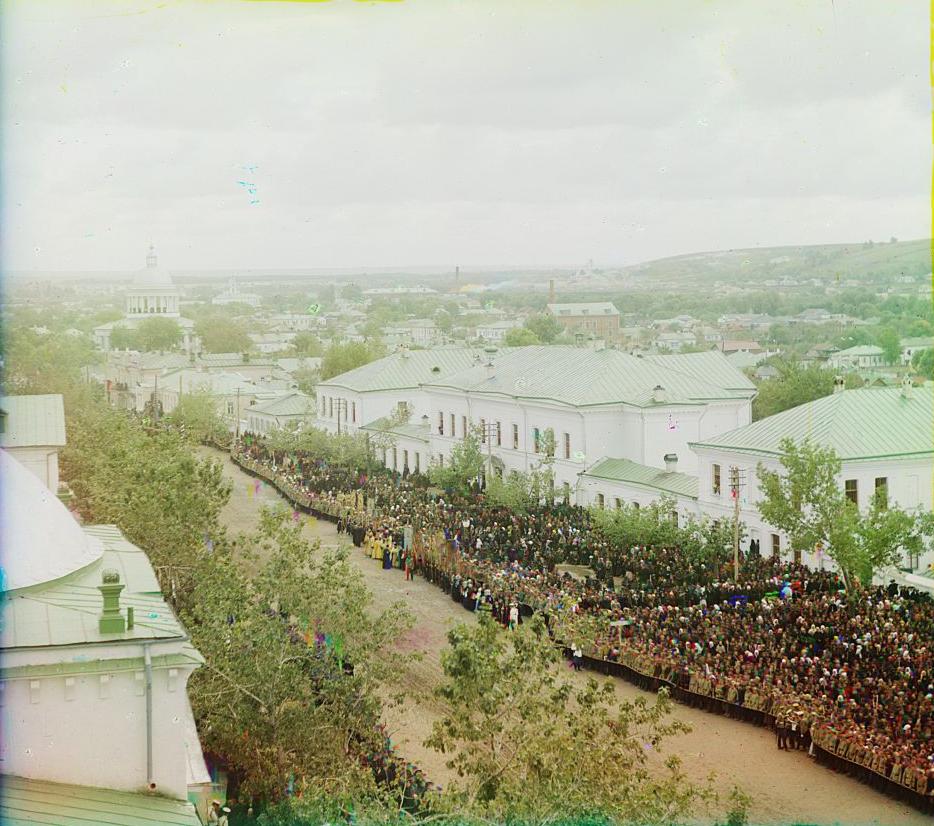
Joasaph died in 1754; the OCA account records glorification in 1911. This is an Orthodox recognition history, not a Roman Catholic canonization. The accompanying troparia celebrate prayer, mercy, healing, and an incorrupt body. They establish what is prayed and professed in this liturgical tradition; they do not supply the complete original commission record. [SAINT-SAINT-JOASAPH-OF-BELGOROD-S01] [SAINT-SAINT-JOASAPH-OF-BELGOROD-S02]
The claim that still needs a material record
The physical question concerns attributed remains and their preservation. A hymn cannot specify which tissues survive, what conservation occurred, or how identity was maintained through successive transfers. Examination and custody records would address those questions. Meanwhile the bishop’s remembered concern for education and responsible worship explains why people commemorate him before any bodily claim is considered. [SAINT-SAINT-JOASAPH-OF-BELGOROD-S01] [SAINT-SAINT-JOASAPH-OF-BELGOROD-S02]
Catholic reflection & discussion
Look for the person within the story
Spend a moment with the choices, relationships and hardships in this life. Consider what you might learn from the person as well as from the extraordinary claims examined in the file.
These editorial prompts invite reflection on the article. They are distinct from Church teaching and the evidence findings.
Pause and reflect
- Which choice or experience in this life stays with you, and why?
- What would you like to understand better about the person's faith and the world they lived in?
- Is there a small act of patience, courage or service that this reading invites you to consider?
Discuss with family or a group
Choose questions suited to your readers' ages and experiences. Anyone can pass or keep a response private.
- Ask each person to choose a moment from the life described here. What makes that moment worth remembering?
- Which details have clear sources, and which remain uncertain? How could you tell the story honestly without losing its human meaning?
Questions people ask
Open any question for a fuller answer and its sources.
Was Joasaph canonized by the Catholic Church?
This file documents Orthodox glorification in 1911. It does not claim a Catholic canonization. [SAINT-SAINT-JOASAPH-OF-BELGOROD-S01]
Does the Church actually call his body incorrupt?
An official OCA troparion does use that description. The source is liturgical, not an anatomical report. [SAINT-SAINT-JOASAPH-OF-BELGOROD-S02]
Are the apparitions and predictions established facts?
They are reports within the official devotional biography. The material reviewed does not independently verify their supernatural cause. [SAINT-SAINT-JOASAPH-OF-BELGOROD-S01]
What is the strongest reason to read his life?
His biography describes concrete pastoral responsibilities—education, clergy formation, monastic rebuilding, and care of worship—that explain his enduring Orthodox memory. [SAINT-SAINT-JOASAPH-OF-BELGOROD-S01]
What the evidence can establish
Evidence verdict: unresolved
Does the available evidence establish that the displayed or attributed remains of Saint Joasaph of Belgorod are the naturally preserved, substantially intact body of that person, without undisclosed embalming, reconstruction, wax covering, replacement, or later conservation treatment?
An official Orthodox liturgical source describes Joasaph as resting with an incorrupt body. That is an official or custodial account and is recorded under Church status. The inspected record does not include the independent anatomical evidence, custody documentation, or treatment history needed to establish natural preservation, so the physical claim remains unresolved.
Sources: [SAINT-SAINT-JOASAPH-OF-BELGOROD-S01; SAINT-SAINT-JOASAPH-OF-BELGOROD-S02]
Church or institutional status
Orthodox saint
- Authority
- Orthodox Church in America (official synodal jurisdiction website)
- Scope of the finding
- The OCA commemorates Joasaph as Saint and records his 1911 glorification; its liturgical text calls his body incorrupt.
- Limits of the finding
- The liturgical text is a profession of veneration, not an anatomical report; no Catholic recognition is inferred.
- Official sources
- [SAINT-SAINT-JOASAPH-OF-BELGOROD-S01]
Sources and notes
Back to the overviewSource labels describe a document's type and role, not the strength of a claim. Where provided, notes explain its use, access limits, and outstanding checks.
- SAINT-SAINT-JOASAPH-OF-BELGOROD-S01Orthodox Church in America official record — Saint Joasaph of Belgorod (opens in a new tab)Official source
Records Joasaph's life and 1911 glorification. What it does not establish: This institutional record establishes only the stated act, status, teaching, or account; it does not independently establish material identity, preservation mechanism, or supernatural causation.
- SAINT-SAINT-JOASAPH-OF-BELGOROD-S02Orthodox Church in America official liturgical text — Saint Joasaph of Belgorod (opens in a new tab)Official source
Publishes a troparion saying he rests with an incorrupt body; this supports the existence of the liturgical claim only. What it does not establish: This institutional record establishes only the stated act, status, teaching, or account; it does not independently establish material identity, preservation mechanism, or supernatural causation.
Corrections and updates
Expanded this file with a sourced narrative, 7 chapters and 4 answers to common questions. The existing evidence verdict label and institutional status are retained. Independent human review remains pending.