
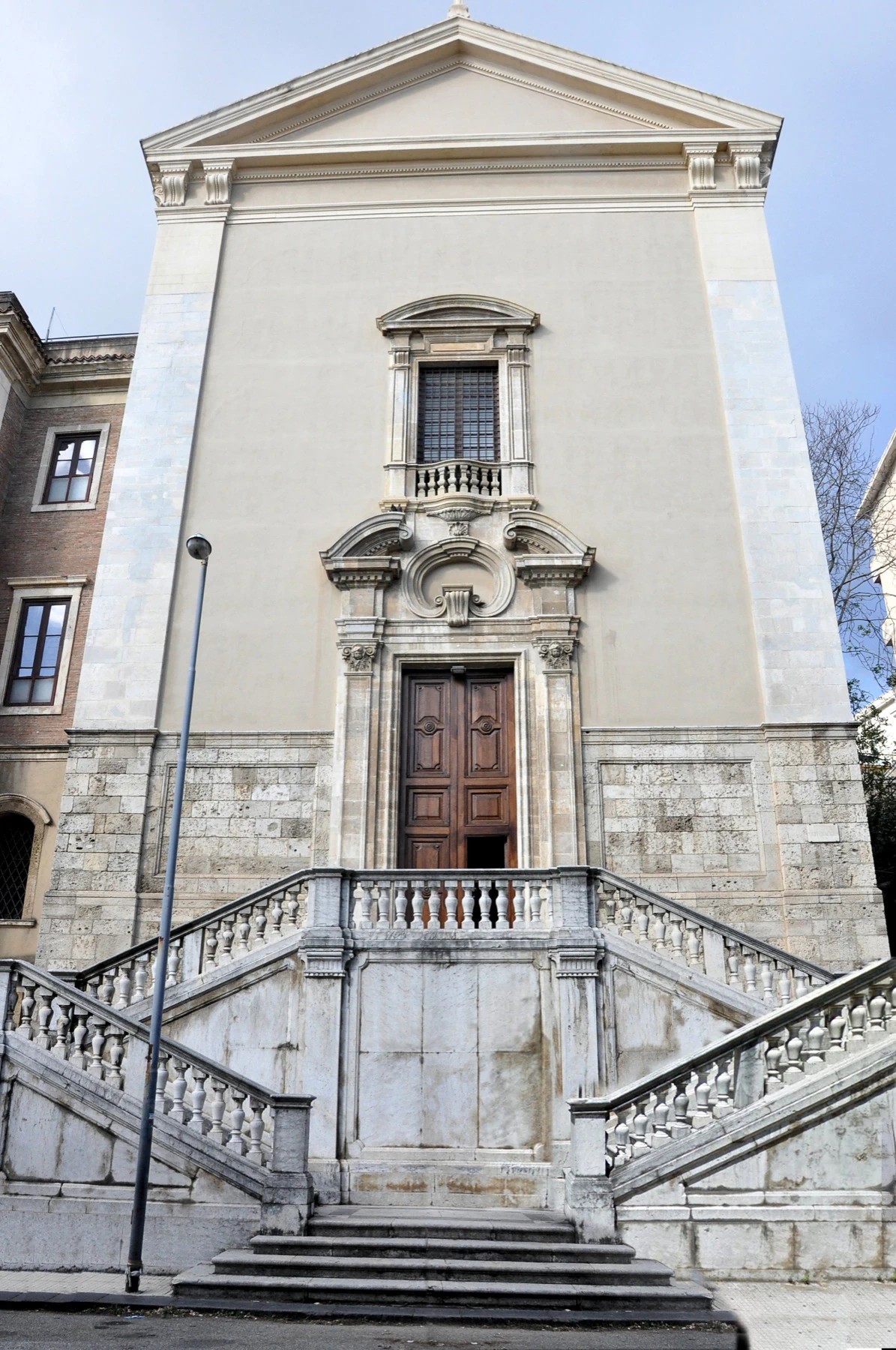
Start here
The story, in brief
Eustochia did not simply join a monastery and remain satisfied with it. Convinced that its life should express Franciscan poverty more faithfully, she helped establish another community through years of resistance and material difficulty. Her story asks what it costs to turn a religious ideal into a shared way of living. [SAINT-SAINT-EUSTOCHIA-SMERALDA-CALAFATO-S01]
A reform with practical costs
A new community required permission, supporters, and repeated moves. [SAINT-SAINT-EUSTOCHIA-SMERALDA-CALAFATO-S01]
A specific spiritual ideal
Franciscan poverty was meant to shape common life and love of Christ. [SAINT-SAINT-EUSTOCHIA-SMERALDA-CALAFATO-S01]
Recognition and preservation differ
The canonization homily supplies theology, not a physical examination. [SAINT-SAINT-EUSTOCHIA-SMERALDA-CALAFATO-S01]
Explore the chapters
Smeralda before Eustochia
Born Smeralda Calafato in Messina in 1434, she grew up in a family influenced by the Franciscan Observance movement. Her mother supported prayer and assistance to poor neighbors. The official biography also describes an arranged engagement while Smeralda was a child, followed by her resistance to further marriage plans. This was a vocation pursued within strong family expectations. [SAINT-SAINT-EUSTOCHIA-SMERALDA-CALAFATO-S01]
What Franciscan reform meant
The Observance movement sought a more demanding practice of the Franciscan rule, especially poverty. For Eustochia, that concern reached beyond private austerity to a community’s governance and use of resources. The Catholic ideal was following Christ together; a monastery’s institutional arrangements could either support that purpose or distract from it. [SAINT-SAINT-EUSTOCHIA-SMERALDA-CALAFATO-S01]
Entering a convent did not end the conflict
She entered the Poor Clares at Basicò in 1449 and took the name Eustochia. The Dicastery’s biography describes prayer, service to sick sisters, and growing dissatisfaction with the community’s direction. It presents the dispute from a sympathetic perspective; its moral assessment of the abbess should not be mistaken for a complete, independent reconstruction of both sides. [SAINT-SAINT-EUSTOCHIA-SMERALDA-CALAFATO-S01]
A hospital became the first experiment
With papal permission and help from family and supporters, Eustochia moved into a former hospital in 1460. One sister from Basicò, Iacopa Pollicino, accompanied her. This small beginning makes reform tangible: authorization, accommodation, money, and a few committed people were needed before the ideal could become a viable community. [SAINT-SAINT-EUSTOCHIA-SMERALDA-CALAFATO-S01]
Why Montevergine mattered
After further difficulties, the sisters moved to the Montevergine district in 1464. The community grew around prayer, liturgy, Eucharistic devotion, and meditation on Christ’s Passion. The biography reports roughly 50 sisters at Eustochia’s death in 1485. Her legacy was therefore a functioning religious community, not simply the memory of an unusually austere individual. [SAINT-SAINT-EUSTOCHIA-SMERALDA-CALAFATO-S01]
How the canonization explained her life
John Paul II canonized her in Messina in 1988. His homily used the image of branches drawing life from Christ, emphasizing love, conversion, and spiritual poverty. That explanation matters: Catholic sanctity is presented as participation in divine life expressed through charity, rather than physical preservation earning a person a place among the saints. [SAINT-SAINT-EUSTOCHIA-SMERALDA-CALAFATO-S01]
What the bodily tradition still requires
The official biography and canonization homily establish her religious history and recognition. They do not give a conservation inventory or a modern examination of the remains. A convincing account of preservation would need to identify surviving tissues, preparations, interventions, and dated observations independently of the compelling foundation story. [SAINT-SAINT-EUSTOCHIA-SMERALDA-CALAFATO-S01]
Catholic reflection & discussion
Look for the person within the story
Spend a moment with the choices, relationships and hardships in this life. Consider what you might learn from the person as well as from the extraordinary claims examined in the file.
These editorial prompts invite reflection on the article. They are distinct from Church teaching and the evidence findings.
Pause and reflect
- Which choice or experience in this life stays with you, and why?
- What would you like to understand better about the person's faith and the world they lived in?
- Is there a small act of patience, courage or service that this reading invites you to consider?
Discuss with family or a group
Choose questions suited to your readers' ages and experiences. Anyone can pass or keep a response private.
- Ask each person to choose a moment from the life described here. What makes that moment worth remembering?
- Which details have clear sources, and which remain uncertain? How could you tell the story honestly without losing its human meaning?
Questions people ask
Open any question for a fuller answer and its sources.
Are Smeralda and Eustochia different people?
They are the same person. Smeralda was her original name; Eustochia was the name she received in religious life. [SAINT-SAINT-EUSTOCHIA-SMERALDA-CALAFATO-S01]
Did she found an entirely new religious order?
The source describes the establishment of a reformed Poor Clare monastery within the Franciscan tradition. That differs from claiming she created a wholly separate order. [SAINT-SAINT-EUSTOCHIA-SMERALDA-CALAFATO-S01]
Why describe the dispute at Basicò cautiously?
The official biography supports her reform and evaluates its opponents accordingly. It supplies the Church’s account of her vocation, while leaving room for further archival study of the institutional conflict. [SAINT-SAINT-EUSTOCHIA-SMERALDA-CALAFATO-S01]
What is the clearest established Catholic claim?
Her canonization in 1988 is explicitly documented, along with the homily explaining her spiritual significance. The condition of her remains is a separate question. [SAINT-SAINT-EUSTOCHIA-SMERALDA-CALAFATO-S01]
What the evidence can establish
Evidence verdict: unresolved
Does the available evidence establish that the displayed or attributed remains of Saint Eustochia Smeralda Calafato are the naturally preserved, substantially intact body of that person, without undisclosed embalming, reconstruction, wax covering, replacement, or later conservation treatment?
Canonized Catholic saint. Official sources confirm that status or custody for Saint Eustochia Smeralda Calafato. They do not provide the independent anatomical evidence, custody documentation, or treatment history needed to answer whether the remains are naturally preserved.
Sources: [SAINT-SAINT-EUSTOCHIA-SMERALDA-CALAFATO-S01]
Church or institutional status
Canonized Catholic saint
- Authority
- Dicastery for the Causes of Saints
- Scope of the finding
- The cited official record documents the person's Catholic canonization and saintly title.
- Limits of the finding
- It does not authenticate the attributed remains, establish natural preservation, or prove a miracle.
- Official sources
- [SAINT-SAINT-EUSTOCHIA-SMERALDA-CALAFATO-S01]
Sources and notes
Back to the overviewSource labels describe a document's type and role, not the strength of a claim. Where provided, notes explain its use, access limits, and outstanding checks.
- SAINT-SAINT-EUSTOCHIA-SMERALDA-CALAFATO-S01Dicastery for the Causes of Saints profile — Saint Eustochia Smeralda Calafato (opens in a new tab)Official source
Identifies this person and records the stated Catholic beatification/canonization or liturgical status; it does not establish the physical preservation claim. What it does not establish: This institutional record establishes only the stated act, status, teaching, or account; it does not independently establish material identity, preservation mechanism, or supernatural causation.
Corrections and updates
Expanded this file with a sourced narrative, 7 chapters and 4 answers to common questions. The existing evidence verdict label and institutional status are retained. Independent human review remains pending.