
Start here
The story, in brief
Alatri has an unusually concrete historical anchor: a papal parchment dated 13 March 1228, identified in both state and university records. It concerns the report of an “Incarnate Host.” The document’s survival gives this case a different starting point from a story known only through a modern miracle catalogue. [ALA-01; ALA-02]
A surviving papal document
The parchment’s date and diocesan repository are identified by current institutional records. [ALA-01; ALA-02]
A response about repentance
The diocesan translation presents Gregory IX addressing two women’s conduct and penances. [ALA-03]
A separate object question
The displayed host’s continuity and material identity are not established by the existence of the letter. [ALA-04]
Explore the chapters
The report that reached the Pope
The diocesan handout recounts a young woman retaining a consecrated host at another woman’s urging and concealing it in cloth. After three days, the reported object appeared as flesh. Its reproduced papal response says both women confessed and the bishop sought guidance. The modern handout also supplies a more elaborate love-magic narrative; its dramatized dialogue should not be mistaken for a medieval transcript. [ALA-03]
A sacrament is not a tool for controlling another person
Catholic Eucharistic teaching concerns Christ’s self-gift and real sacramental presence. It provides no basis for treating a host as an ingredient whose sacred power can be redirected to secure a desired romance. The contrast in Alatri is therefore between receiving a gift in faith and attempting to possess or manipulate it. That reading follows the reported misuse and the doctrinal meaning of the sacrament. [ALA-03; EX-01]
The supposed visible change would be extraordinary because Catholic teaching normally holds that bread’s appearances remain after consecration. A visible tissue claim is separate from the sacramental change of substance, and it needs historical and material evidence of its own. [EX-01]
Gregory’s response distinguishes responsibility
In the diocesan Italian rendering, Gregory treats the report in explicitly miraculous theological language but directs different penances. The younger woman receives a milder response because weakness and repentance are taken into account; the instigator faces more demanding discipline. The letter’s pastoral interest is not exhausted by asking what the object looks like. It also concerns culpability, confession, and restoration. [ALA-03]
What the parchment establishes securely
The Ministry of Culture’s 2026 administrative record identifies the document in Alatri’s diocesan historical archive and permits temporary movement for display. The University of Siena’s critical-edition announcement identifies the same date and describes it as a mandatum concerning the report. These are strong anchors for the document’s existence and subject, while the critical Latin text and apparatus remain uninspected here. [ALA-01; ALA-02]
Why bull, mandate, and date should not be blurred
Some institutional summaries call the document a bull of 1227; the current state, university, and diocesan records identify a mandate dated 13 March 1228. The discrepancy is best disclosed and resolved through the critical edition, rather than concealed beneath a generic claim of papal approval. The exact legal form affects how the document’s purpose and operative instructions should be described. [ALA-01; ALA-02; ALA-04; ALA-05]
The displayed object has its own history
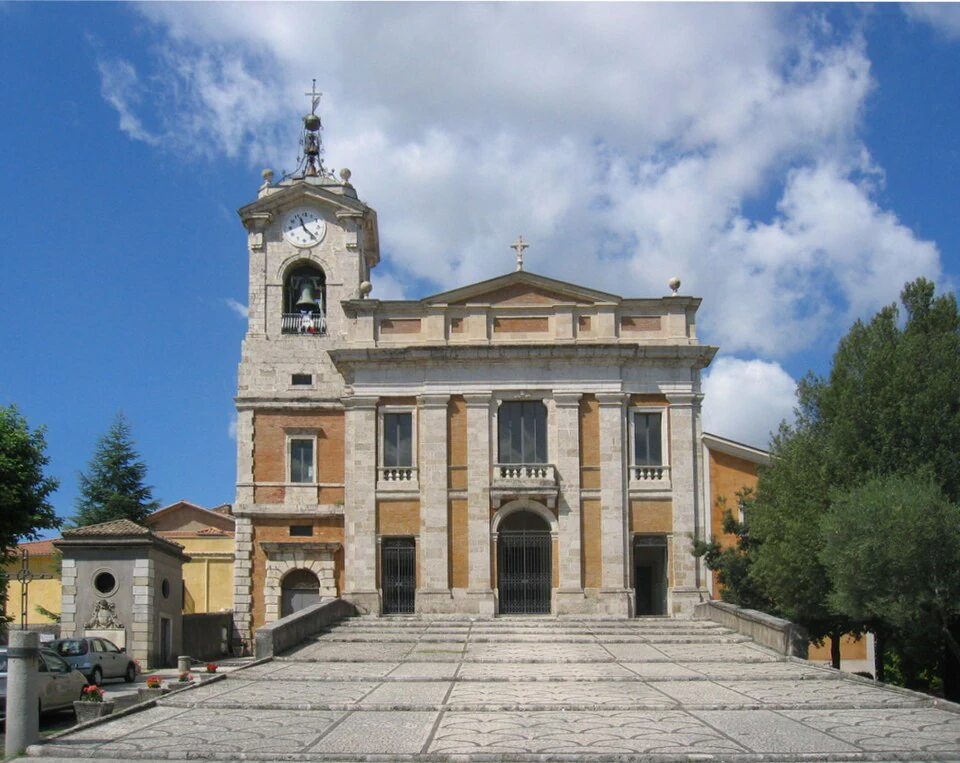
The diocese identifies the Ostia Incarnata as kept in the co-cathedral. That establishes present custody and devotion. A continuous inventory, conservation record, and authenticated biological examination would be needed to connect today’s object to the thirteenth-century report and determine its composition. The papal parchment cannot by itself supply those missing links. [ALA-04; ALA-01]
Why the case remains worth reading
Alatri offers a close encounter with medieval Church governance: a local bishop reports an extraordinary occurrence and receives practical direction from the Pope. It also shows why documentary authenticity and material authenticity are different achievements. The first has a strong institutional foundation here; the reported transformation remains unresolved. [ALA-01; ALA-02; ALA-03; ALA-04]
Catholic reflection & discussion
Hold wonder and careful questions together
Notice what this account awakens in you: hope, curiosity, gratitude, or a difficult question. Give that response room while examining what the sources actually support.
These editorial prompts invite reflection on the article. They are distinct from Church teaching and the evidence findings.
Pause and reflect
- What makes this account meaningful to you, and which part would you most want to understand better?
- How do the article's evidence and its Catholic interpretation answer different questions?
- What response might this reading invite in ordinary life, even while a historical or scientific question remains open?
Discuss with family or a group
Choose questions suited to your readers' ages and experiences. Anyone can pass or keep a response private.
- Let each person describe what surprised them before discussing whether they found the account convincing.
- Pick one precise claim. What supports it, what remains uncertain, and what would a stronger source need to show?
Questions people ask
Open any question for a fuller answer and its sources.
Does the 1228 papal document exist?
Did we inspect the original Latin?
Is transubstantiation a visible change into tissue?
Ordinarily the appearances of bread and wine remain. A report of visible flesh is a distinct extraordinary claim. [EX-01]
What the evidence can establish
Evidence verdict: unresolved
Does inspectable historical and material evidence establish that a consecrated host at Alatri physically became human flesh in 1227-1228 and that the object now displayed derives continuously from that event?
A dated papal parchment, the Diocese's received interpretation, and present veneration are well documented. The critical text, object-level custody chain, and authenticated modern material evidence needed to establish the physical transformation and identity have not been inspected or located.
Church or institutional status
Recognized within the Diocese's papal-document tradition and continuing authorized veneration, subject to direct verification of the 1228 mandate's exact juridical wording.
- Authority
- Pope Gregory IX in the 13 March 1228 response as presented by the Diocese of Anagni-Alatri; the Diocese's continuing custody and liturgical devotion.
- Scope of the finding
- Papal reception of the reported event and directions concerning penance; continuing diocesan custody, exhibition, and annual veneration.
- Limits of the finding
- The critical Latin and diplomatic classification were not directly inspected, and papal reception of a bishop's report plus disciplinary directions is not histological or scientific authentication of the displayed material.
Sources and notes
Back to the overviewSource labels describe a document's type and role, not the strength of a claim. Where provided, notes explain its use, access limits, and outstanding checks.
- ALA-01Italian Ministry of Culture, authorization concerning the Gregory IX parchment dated 13 March 1228 (opens in a new tab)Official source
Official 2026 administrative record identifying the parchment, date, diocesan archive, and authorized temporary display. It does not evaluate the alleged transformation.
University announcement for a critical edition, identifying a 13 March 1228 mandatum relating to the Incarnate Host. The edition itself was unavailable for direct review and still needs to be inspected.
- ALA-03Diocese of Anagni-Alatri, Miracolo Eucaristico dell'Ostia Incarnata: La storia PDF (opens in a new tab)Official source
Official diocesan handout reproducing an Italian rendering of the reported papal response and describing present custody. Its translation is not treated as a substitute for the critical Latin.
Official current custodial page identifying the displayed object and a papal mandate dated 13 March 1228. Its material-description claims are not independent scientific findings.
Italian Church cultural-heritage record documenting the chapel, reliquary, and feast. Its label 'papal bull of 1227' conflicts with the more recent state and university records and is retained only to disclose that inconsistency.
- EX-01Catechism of the Catholic Church, 1373–1381 (opens in a new tab)Official sourceCited in this file
Read the source note for the passage used and any limits on what it supports.
Official teaching on the Real Presence, transubstantiation, reservation, and Eucharistic worship; general doctrine, not a ruling on this reported event.
Corrections and updates
Expanded this file with a sourced narrative, 7 chapters and 4 answers to common questions. The existing evidence verdict label and institutional status are retained. Independent human review remains pending.